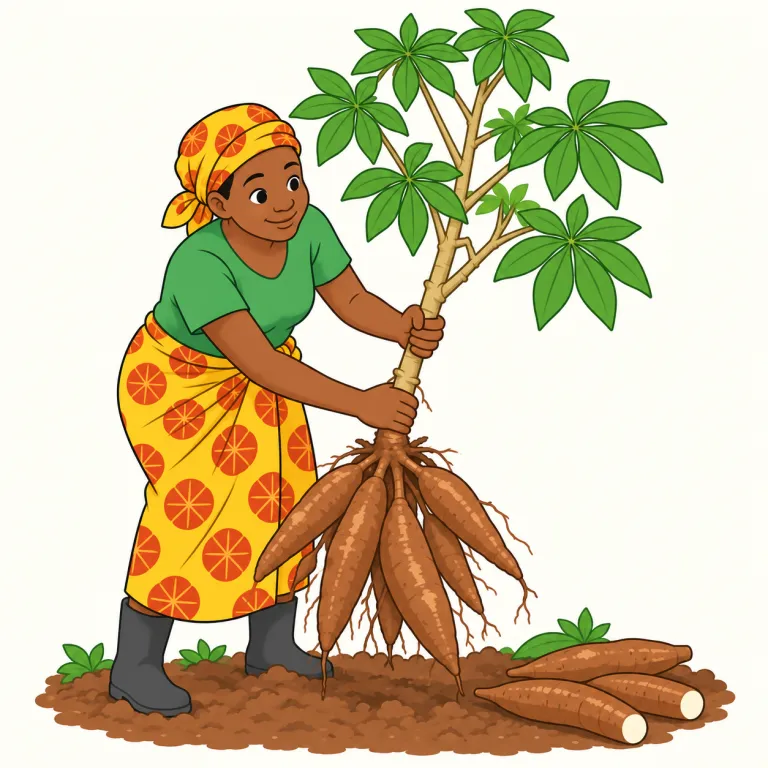
キャッサバ(地域語)
解説 Definition
東アフリカの一部などで、キャッサバの植物や食用の根を指す地域的な名称。具体的に何を指すかは地域の言語や文脈によります。
A regional name used for cassava, especially the plant or its starchy edible root in East African contexts. The exact referent may depend on the local language, so standard English usually uses cassava for clarity.
使い方 Usage
使い分け Common distinctions
- 広く通じる英語では cassava が一般的です。tapioca は通常、キャッサバから作るでんぷんやその食品を指します。 Cassava is the more widely recognized term in general English. Tapioca usually refers to starch or food products made from cassava.
覚え方のコツ Memory Tip
mogo root「キャッサバの根」と地域の料理を結び付けて覚えます。栽培なら植物、調理なら食用の根というように、周囲の語を手掛かりにしましょう。
Connect mogo root with cassava in local cooking. References to cultivation suggest the plant, while cooking contexts suggest its edible root.
例文
Farmers in the region grow mogo as a food crop.
その地域の農家は食用作物としてキャッサバを栽培しています。
She prepared the mogo root for the evening meal.
彼女は夕食用にキャッサバの根を調理しました。
mogo の類義語・関連語
mogo の語源・成り立ち Etymology
mogoは東アフリカの一部でキャッサバを指す地域的な形で、キャッサバを意味するスワヒリ語muhogoと関連付けられます。形の成立経路や使用範囲には地域差があるため、標準英語ではcassavaを使うのが一般的です。
The term is associated with East African usage and is linked in the supplied account to Swahili muhogo, the ordinary Swahili word for cassava. Cassava itself originated in South America and was introduced into Africa through Portuguese trade during the early modern period. Mogo can therefore be treated as a shortened or locally adapted plant name, although its precise form and range vary by regional language and usage.
同じレベルの語彙をもっと
外部辞書で調べる
この英単語をクイズで覚えよう