えいたんごクイズ
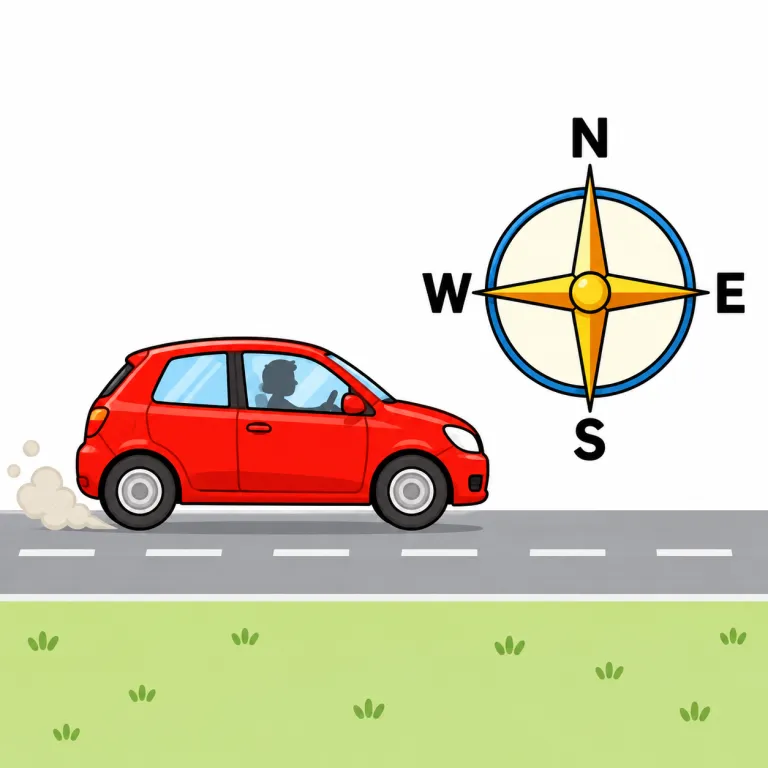
east(東部・名詞)の覚え方イラスト — まず west(西)と必ず対で覚えると混同しにくい語です

east

/ˈiːst/

east は英検4級・英検3級・TOEIC 600レベルの英単語で、「東部、東、東へ」という意味があります。発音記号は /ˈiːst/ です。

意味一覧 (3件)

noun

東部とうぶ

解説 Definition

名詞では、方角としての東や、ある地域・国・建物の中で東にある部分を指す。地図、旅行案内、ニュースなどで「東部」「東側」という意味でよく使われ、場所の位置関係を客観的に示すときに自然な語である。特定の文化圏を指す場合もある。

As a noun, east means the direction where the sun rises, or the part of a place that is on that side. It is often used in maps, travel information, news, and descriptions of where something is located. It can also refer to a particular eastern area or cultural region.

覚え方のコツ Memory Tip

まず west(西)と必ず対で覚えると混同しにくい語です。north / south / east / west を方角セットで並べ、east は「右側に書かれがち」と地図や方位磁針のイメージで固定すると残りやすくなります。実際には east coast, east exit, East Asia のように名詞の前で「東の」を作る形が頻出。派生の eastern は「東部の・東方の」で、east より少し説明的。west と取り違えやすいので、east side, due east までまとめて覚えると実戦で迷いません。

Learn east together with west, because they are easy to mix up. Picture a map or compass with north, south, east, and west, and remember that east is often placed on the right side. Useful chunks like east coast, east exit, East Asia, east side, and due east help fix the word in real contexts. The adjective eastern means “in or from the east” and sounds a little more descriptive than east.

例文

The station is in the east of the city.

その駅は市の東部にある。

A cold wind was blowing from the east.

東の方から冷たい風が吹いていた。

The company plans to open new stores across the east of the country.

その会社は国の東部全体に新店舗を開く予定だ。

adjective

ひがし

(意味 2)

解説 Definition

東の方向にある、または東に関連することを表す形容詞です。場所や地域を説明するときに使い、方角を示します。東向きの窓や東側の出口など、方向や位置を修飾します。

East describes something that is in or toward the direction where the sun rises. It is used for location, movement, and parts of a country, city, or region. It can also appear in names, such as East Asia or the east coast.

例文

The east wall of the building gets sunlight in the morning.

その建物の東側の壁は午前中に日光が当たる。

They took the east exit of the train station to reach the museum.

彼らは博物館に行くために駅の東口を使った。

The east coast of the country has many popular tourist spots.

その国の東海岸には人気の観光スポットが多い。

adverb

ひがし

(意味 3)

解説 Definition

副詞では「東へ」「東の方へ」という移動や向きの変化を表す。go、move、face などの動詞とよく結びつき、人や乗り物、風や雲などが東方向へ進む・向く場面で使われる。出発点より東の方向を目指す感覚が中心である。

As an adverb, "east" means toward the east or in an eastward direction. It is often used with verbs such as go, move, travel, turn, or face to describe the direction of a person, vehicle, wind, cloud, or other moving thing. The main idea is movement or orientation from one point toward the east.

例文

We drove east for two hours before reaching the coast.

海岸に着くまで2時間東へ車で走った。

The wind shifted east during the night.

夜の間に風向きが東へ変わった。

Face east, and you can see the sun rise over the hills.

東へ向けば、丘の向こうから朝日が昇るのが見える。

east の類義語・関連語

east の語源・成り立ち Etymology

east は古英語 east、さらに印欧祖語 *aus-「輝く・夜明ける」にさかのぼる語です。Easteraurora も同じ根をもち、east が地図上の記号ではなく“朝日がのぼる方角”そのものから生まれた語だとわかります。

East comes from Old English east. It goes back to an Indo-European root meaning “to shine” or “to dawn,” so the word is connected with the direction of sunrise. Words like Easter and aurora come from related roots.

外部辞書で調べる

この単語をシェア

この単語を英単語クイズで覚えよう