カスザメ
noun 名詞英国英語では monkfish がカスザメ(angel shark)を指すことがあり、通常、食用名としていうアンコウとは別の魚である。魚類図鑑や漁業資料ではこの用法が現れるため、地域と文脈から指示対象を判断する必要がある。
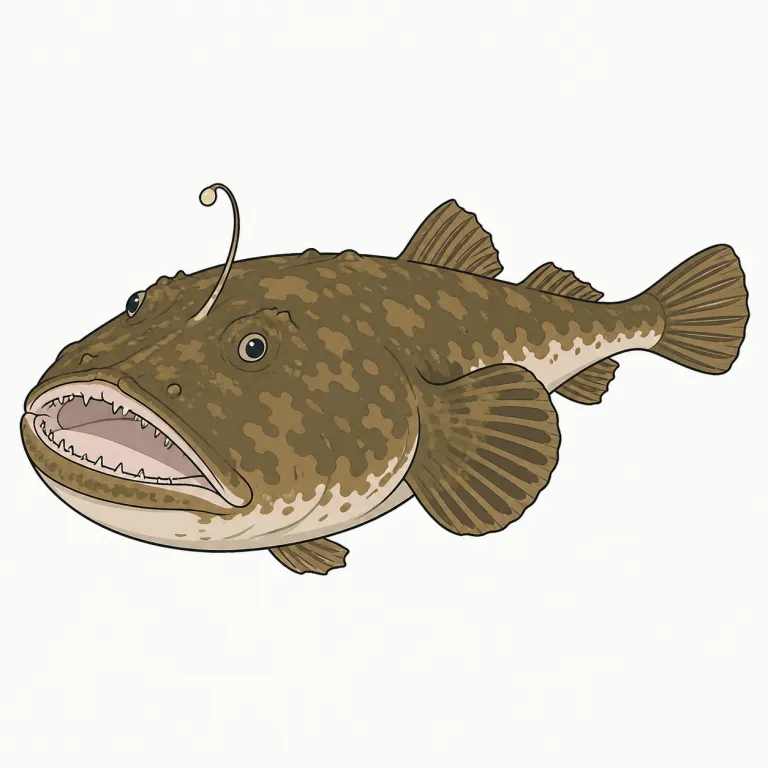
monkfish はアンコウ類の魚を指し、大きな頭や口を持つ底生魚として知られます。疑似餌状の突起で獲物を誘う種類がありますが、一般に発光器や発光体で誘う魚だと断定するのは正確ではありません。食材としても使われます。
Monkfish is a large sea fish with a wide head, and it is also eaten as food. The word is common in cooking and seafood contexts, where it often refers to the fish's firm, meaty texture.
monk+fish とそのまま二つに分け、「僧を連想させる名を持つ、頭と口の大きな海底魚」と一枚の姿で覚えると残りやすい。monkfish hides on the seabed のように、海底に身を潜め、疑似餌状の突起で近づく獲物を待つ場面を固定する。食材の文脈では身が締まり、食感がロブスターに似ることから poor man’s lobster と呼ばれることもある。名前に fish があるので料理名にもそのまま使われ、grilled monkfish や monkfish tail という組み合わせも押さえたい。
Split it into `monk` + `fish`. The name sounds unusual, so it is easy to connect it with a strange-looking sea animal, not an ordinary fish. Also remember that many fish names end with `-fish`, like `catfish` and `shellfish`.
Monkfish is often called 'poor man's lobster' because of its similar texture and taste.
アンコウはその類似した食感と味のために「貧者のロブスター」と呼ばれることがよくあります。
The monkfish hides on the seabed and waits for prey.
アンコウは海底に身を隠して獲物を待ちます。
Mediterranean restaurants frequently feature monkfish on their menus.
地中海料理店では、アンコウがメニューによく登場します。
文脈によって、次の意味でも使われます。
英国英語では monkfish がカスザメ(angel shark)を指すことがあり、通常、食用名としていうアンコウとは別の魚である。魚類図鑑や漁業資料ではこの用法が現れるため、地域と文脈から指示対象を判断する必要がある。
monkfish は monk+fish の複合語で、monk はギリシャ語 monos「ひとり」由来の語を経て入った語です。monastery や monastic と同根で、僧の頭巾のような姿から名付けられたと考えると、魚名の意外さに納得できます。
Monkfish is a compound of monk and fish. Monk came into English through Latin and Greek, from Greek monos, meaning "alone" or "single," and it is related to monastery and monastic. The fish was probably named because its shape suggested a monk's hood or robe. So the name grew from a visual comparison rather than from the fish's behavior.
この英単語をクイズで覚えよう