独占者
解説 Definition
独占者;市場を独占する人。
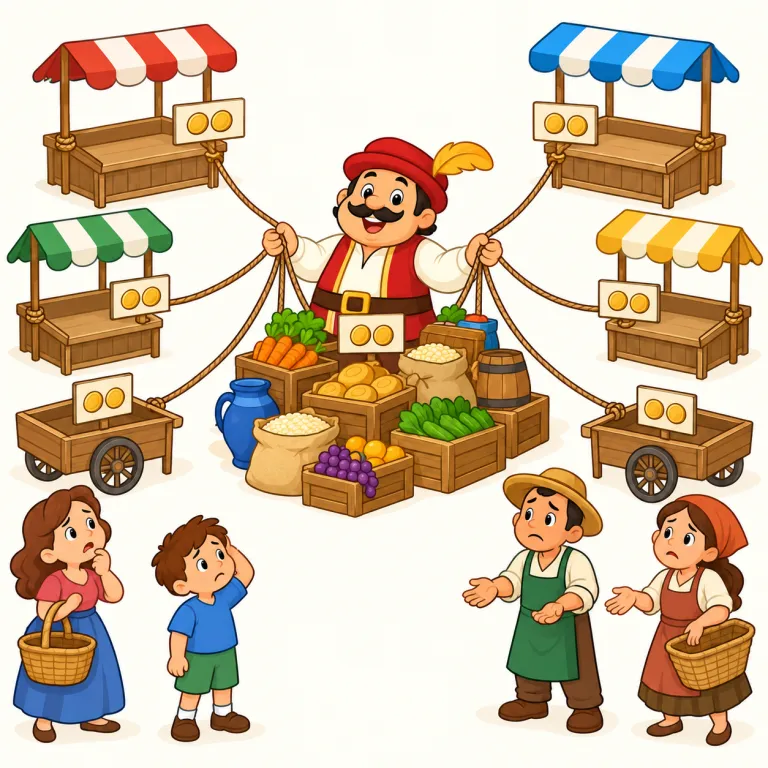
A monopolist is a person or company that controls all or most of a market for a product or service. This means there is little or no real competition. The word is common in business and economics and usually has a negative meaning.
覚え方のコツ Memory Tip
monopoly を知っていれば、その人版が monopolist。-ist は artist, scientist, tourist と同じで「その立場・性質の人」を表すので、語尾で人を示すと覚える。意味は単に business owner ではなく、市場をほぼ一社で支配し、競争相手が入りにくい状態を作る側。monopolize the market, a monopolist company などの形で見ると定着しやすい。monopoly(状態)→ monopolist(その当事者)とセットで整理すると混同しにくい。
If you know `monopoly`, then `monopolist` is the person or company behind it. The ending `-ist` often means a person, like in `artist` or `scientist`. Remember the pair as `monopoly` for the situation, `monopolist` for the actor.
例文
A monopolist controls the entire market.
独占者は市場全体を支配する。
Monopolists face regulatory scrutiny.
独占者は規制当局の厳しい監視に直面する。
The monopolist's pricing is unfair.
その独占者の価格設定は不公正である。
monopolist の類義語・関連語
派生語
monopolist の語源・成り立ち Etymology
monopolist は monopoly+-ist の形で、「独占を行う人」という成り立ちです。monopoly はギリシャ語 monos(一つだけ)+ polein(売る)にさかのぼり、-ist は「…する人」を表します。関連語 monopoly, monopolize を見ると、「一人だけが売る」から「独占者」になる流れがよく分かります。
Monopolist comes from monopoly plus the suffix -ist, meaning "a person who does something." Monopoly goes back to Greek monos, "alone," and polein, "to sell." So the word originally points to someone connected with "selling alone," which developed into the idea of a person who controls a market by themselves.
同じレベルの語彙をもっと
外部辞書で調べる
この英単語をクイズで覚えよう