非常に高い、高額な
adjective 形容詞主にアメリカ英語のくだけた表現で、座席などが極端に高い位置にあることを表します。通常は名詞の前でnosebleed seatsのように使われ、価格について「法外に高い」という意味を表すこともあります。
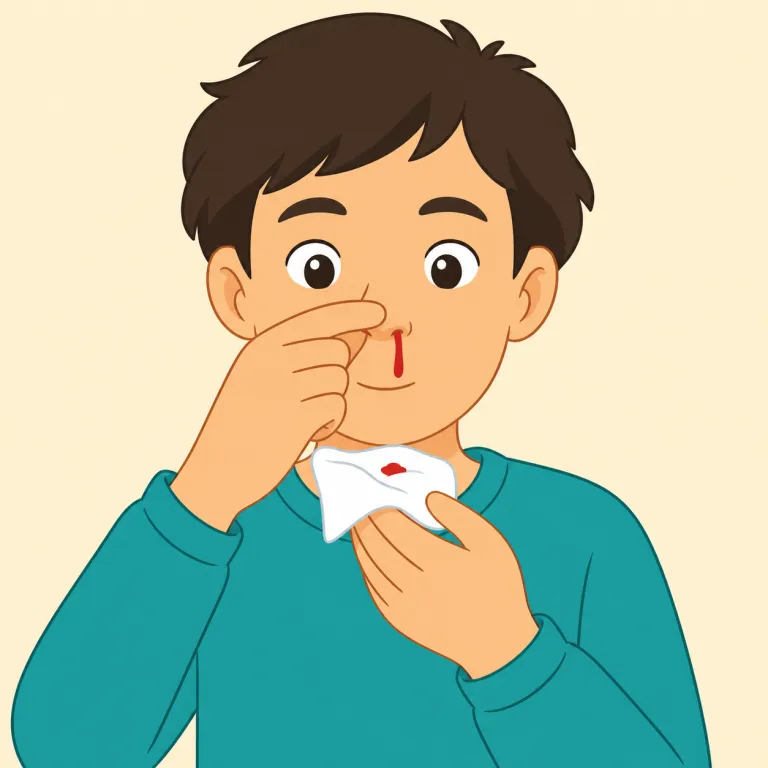
鼻からの出血のこと。通常、鼻の血管が破れたり、鼻腔内の損傷によって起こる症状です。一般的には危険ではありませんが、時に医療の注意が必要です。
A nosebleed is bleeding from the inside of the nose. It is commonly caused by dry air, injury, or irritation, and it is a basic everyday medical word.
nose と bleed がそのまま合体した語で、「鼻が血を出す」と頭の中で絵にすると覚えやすいです。まず動詞 bleed=「血が出る」を押さえると、nosebleed は説明不要レベルで意味が取れます。blood は名詞「血」、bleed は動詞、という品詞の違いも一緒に整理すると定着しやすいです。会話では get a nosebleed, have a nosebleed の形がよく出ます。高所の意味で nosebleed seats という比喩表現もあるので、まずは基本の「鼻血」を核に覚えると広がります。
Split it into `nose` + `bleed`. If you know `bleed` means blood comes out, the picture is very direct: the nose is bleeding. Also remember the common phrases `get a nosebleed` and `have a nosebleed`.
He had a severe nosebleed after the accident.
彼は事故後、ひどい鼻血が出ました。
Frequent nosebleeds can be a sign of an underlying health condition.
鼻血が頻繁に出るのは、隠れた病気の兆候かもしれません。
The child's nosebleed stopped after applying pressure with a tissue.
子供の鼻血はティッシュで圧力を加えた後、止まりました。
文脈によって、次の意味でも使われます。
主にアメリカ英語のくだけた表現で、座席などが極端に高い位置にあることを表します。通常は名詞の前でnosebleed seatsのように使われ、価格について「法外に高い」という意味を表すこともあります。
nosebleed は nose と bleed の直結で、どちらも古英語由来のきわめて古い語です。bleed は blood、nose は nostril と親族で、「鼻が血を流す」がそのまま鼻血になった語だと見える。
Nosebleed is a straightforward compound of nose and bleed, and both words are very old in English, going back to Old English. Bleed is related to blood, and nose is related to nostril. The word simply grew from the literal idea of the nose bleeding, with no major change in meaning.
この英単語をクイズで覚えよう