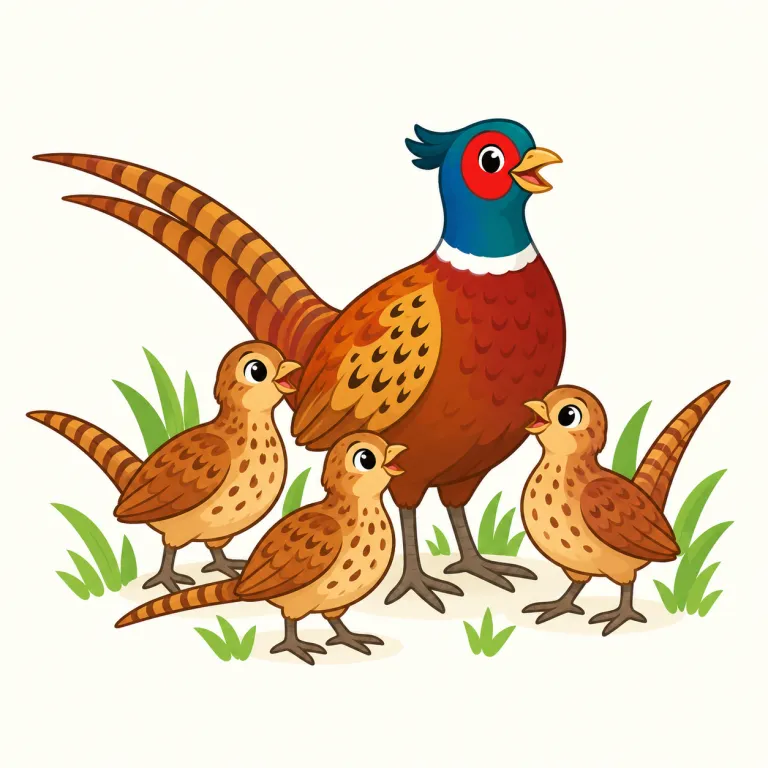
(古語)キジの一群
解説 Definition
nye は、キジの一腹または一群を表す古い集合名詞です。現代英語ではほとんど使われず、通常は brood や flock を使います。
Nye is an archaic collective noun for a nest, brood, or flock of pheasants. It is now rare and is encountered chiefly in historical vocabulary or lists of specialized group names.
覚え方のコツ Memory Tip
nye は、キジの一腹または群れを表す古い集合名詞です。「巣」を表す語に由来する歴史を手掛かりに、同じ巣のひなを表す brood と結び付けると覚えやすくなります。現代の通常の英作文では flock や brood を使い、nye は古い文章を読むための語として覚えましょう。
Treat nye as a historical reading word for a nest, brood, or flock of pheasants, not as an everyday alternative to flock. Connect it with the image of pheasants from one nest. In ordinary modern English, use flock for a group of birds or brood for young birds hatched together.
例文
The old glossary calls a flock of pheasants a nye.
その古い用語集では、キジの群れを nye と呼んでいます。
They saw a nye of pheasants at the edge of the wood.
彼らは森の端でキジの一群を見かけました。
nye の類義語・関連語
nye の語源・成り立ち Etymology
15世紀の英語に見られ、古フランス語 ni「巣」を経て、ラテン語 nidus「巣」に由来します。巣や一腹のキジから、キジの群れを表す集合名詞になりました。
Recorded in English from the fifteenth century, nye comes through Old French ni, “nest,” ultimately from Latin nidus, “nest.” The nest or brood sense developed into a collective term for pheasants.
同じレベルの語彙をもっと
外部辞書で調べる
この英単語をクイズで覚えよう