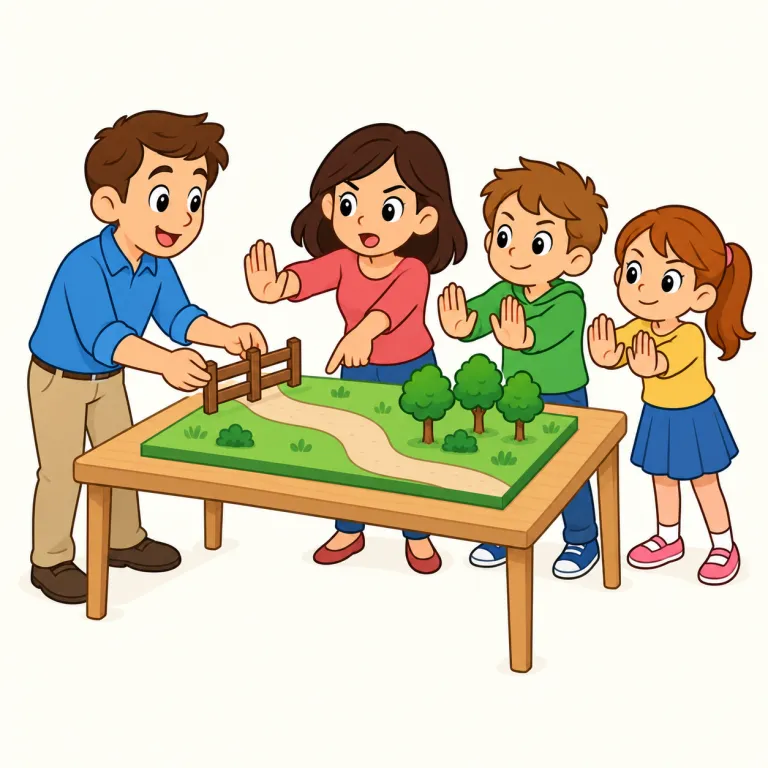
反対する
解説 Definition
opposing は oppose(反対する)の現在分詞・動名詞で、「反対している」「対立している」という意味です。意見・計画・相手などに反対する動作や状態を表します。
Expressing or actively maintaining resistance to a person, proposal, rule, or change. Opposing is the present-participle form of oppose and is used in continuous verb constructions to describe resistance in progress.
覚え方のコツ Memory Tip
原形 oppose「反対する」の語末の e を取って -ing を付けた形で、発音は /əˈpoʊzɪŋ/ です。oppose a rule/plan/change のように、反対する対象を直後に置きます。単に意見が違う disagree より、対象に対して働きかけたり抵抗したりする含みがあると覚えましょう。
Connect opposing with oppose, “to resist or express disagreement with something.” The spelling rule is simple: remove the final silent e from oppose and add -ing. The /z/ sound remains, so opposing is pronounced /əˈpoʊzɪŋ/. Learn it with direct objects such as opposing a rule, opposing the plan, or opposing a change. Unlike merely disagreeing, opposing often suggests taking a position against something or trying to prevent it. The Latin image behind the word is placing something against another thing, which also helps connect it with opponent and opposite. In the examples, is opposing shows an action currently in progress.
例文
She is opposing the new rule.
彼女はその新しい規則に反対しています。
They are opposing the plan in the meeting.
彼らは会議でその計画に反対しています。
The group is opposing the change because it seems unfair.
その変更は不公平に見えるため、その団体は反対しています。
opposing の類義語・関連語
類義語
紛らわしい語
opposing の語源・成り立ち Etymology
ラテン語 opponere(ob-「~に対して」+ ponere「置く」)が語源。「目の前に立ちはだかるように置く」が原義で、対抗・反対の意味に発展した。関連語:opponent(対戦相手)、opposite(反対の)。propose(前に置く=提案)と対比すると構造が分かりやすい。
Opposing is the present-participle form of oppose, made by dropping the final e and adding -ing. Oppose ultimately comes from Latin opponere, formed from ob-, meaning “against,” and ponere, meaning “to place.” Its literal image was placing something against or in the way of something else. This developed into the sense of resisting. Opponent and opposite share the idea of being set against something, while propose uses the same “place” root differently.
同じレベルの語彙をもっと
外部辞書で調べる
この英単語をクイズで覚えよう