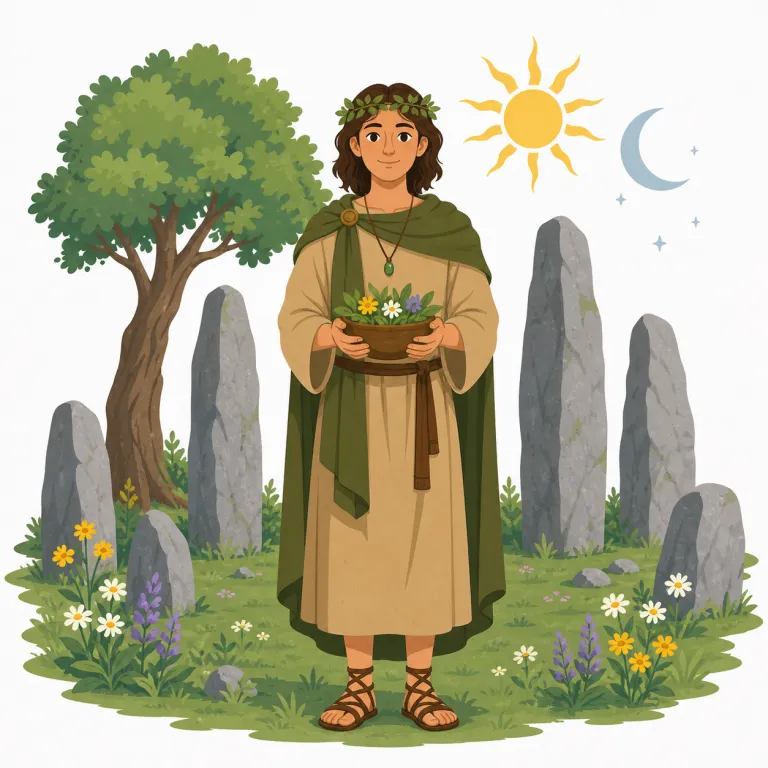
pagan
pagan は英検準1級・TOEFL 100・IELTS 7.5レベルの英単語で、「異教徒、異教の」という意味があります。発音記号は /ˈpeɪɡən/ です。
異教徒
/ adjective 形容詞 異教の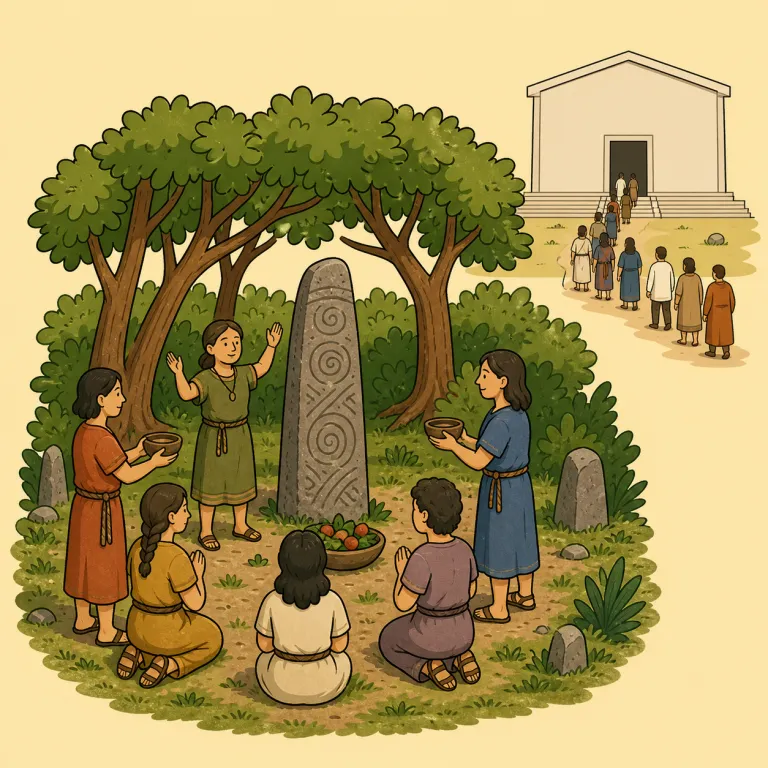
解説 Definition
主にキリスト教やユダヤ教、イスラム教などの立場から、自分たちの宗教に属さない人を指す名詞。歴史・宗教・文学では古代の多神教の信仰者を表すことが多い。現代では文脈によって古風またはやや否定的に響くこともある。
A person who follows a religion outside the major monotheistic faith from whose viewpoint the term is being used. In historical and literary contexts, it especially refers to a follower of an ancient polytheistic or nature-based religion, and it can sound old-fashioned or negative today.
覚え方のコツ Memory Tip
pagan は、キリスト教・イスラム教・ユダヤ教のような一神教の外側にある「古い信仰の世界」をまとめて指す語として覚えると定着しやすいです。pagan gods, pagan rituals, a pagan festival のように、神々・儀式・祭りと結びつけると意味がぶれません。名詞 pagan「異教徒」、paganism「異教」もセットで確認すると記憶に残ります。単なる「無宗教」ではなく、多神教・自然信仰・古代文化の文脈で出る語だと押さえるのがコツです。
Associate a pagan with the worship of old gods and with ancient rituals or festivals. The term does not simply mean a person with no religion; it usually appears in historical, polytheistic, or traditional religious contexts.
例文
The missionaries tried to convert the pagans in the region.
その宣教師たちは、その地域の異教徒を改宗させようとした。
In the novel, the villagers called him a pagan because he worshipped the old gods.
その小説では、彼が古い神々を信仰していたため、村人たちは彼を異教徒と呼んだ。
The temple was once used by pagans before the empire adopted Christianity.
その神殿は、帝国がキリスト教を受け入れる前には異教徒に使われていた。
pagan の類義語・関連語
類義語
派生語
pagan の語源・成り立ち Etymology
pagan はラテン語 paganus「村人・田舎の人」に由来し、もとは pagus「地方の村」からできた語です。キリスト教化が都市から進んだため「異教徒」の意味へ傾き、peasant や paganism と並べると、意味変化の筋道が見えてきます。
The word comes from Latin paganus, meaning “villager” or “country dweller,” which was formed from pagus, meaning “rural district” or “village.”
同じレベルの語彙をもっと
英検準1級の一覧へ →外部辞書で調べる
この英単語をクイズで覚えよう