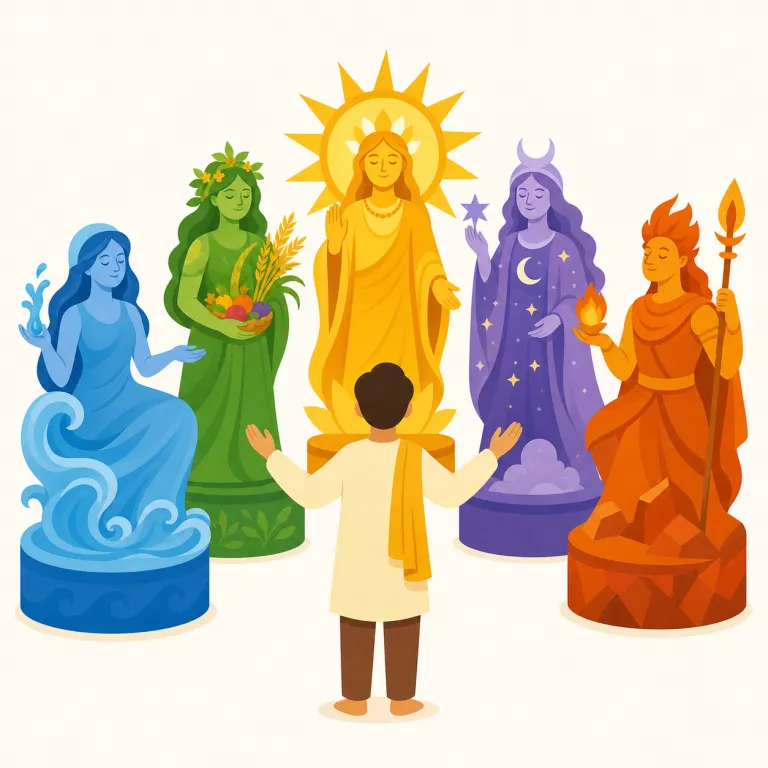
多神教の
解説 Definition
複数の神や神的存在を信仰する宗教体系に関連する。一神教ではなく、多くの神々の崇拝を特徴とする。
Polytheistic describes a religion or belief system that includes many gods. It is mainly used in discussions of religion, history, and culture.
覚え方のコツ Memory Tip
まず monotheistic(一神教の)と対で覚えると定着しやすい。mono- が「1」なら poly- は「多い」で、polygon や polyglot の poly- と同じ感覚。theistic は theism「神を信じる考え」に関わる形なので、polytheistic で「神が複数いる宗教観」。polytheistic religion, ancient polytheistic traditions の形で見たら、そのまま「多神教の宗教・伝統」。atheistic「無神論の」は神を認めない語で、polytheistic とは逆方向だと整理すると混同しにくい。
The easiest way to remember `polytheistic` is to pair it with `monotheistic`. If `mono-` means one, then `poly-` means many, just like in `polygon` or `polyglot`. That contrast gives you a strong memory frame, and it also helps separate it from `atheistic`, which goes in a different direction.
例文
Ancient Greek civilization was fundamentally polytheistic, worshipping many gods and goddesses.
古代ギリシャ文明は根本的に多神教であり、多くの男神や女神を崇拝していた。
The polytheistic religions of Mesopotamia and Egypt shaped their cultural practices and beliefs.
メソポタミアとエジプトの多神教は、両地域の文化的慣習や信仰を形づくった。
Many indigenous cultures maintain polytheistic worldviews that honor various spiritual entities.
多くの先住民文化は、さまざまな霊的存在を敬う多神教的な世界観を保っている。
polytheistic の類義語・関連語
polytheistic の語源・成り立ち Etymology
polytheistic はギリシャ語 poly-「多い」+ theos「神」+ -istic から成る語です。文字どおり「多くの神々に関する」が「多神教の」という意味になり、形を見れば意味を推測しやすい語です。関連語に polytheism、monotheistic があります。
Polytheistic is formed from Greek poly- meaning "many," theos meaning "god," and the adjective ending -istic. It originally described beliefs or systems involving many gods, and that basic sense has remained unchanged. Related words include polytheism and the contrasting monotheistic.
同じレベルの語彙をもっと
外部辞書で調べる
この英単語をクイズで覚えよう