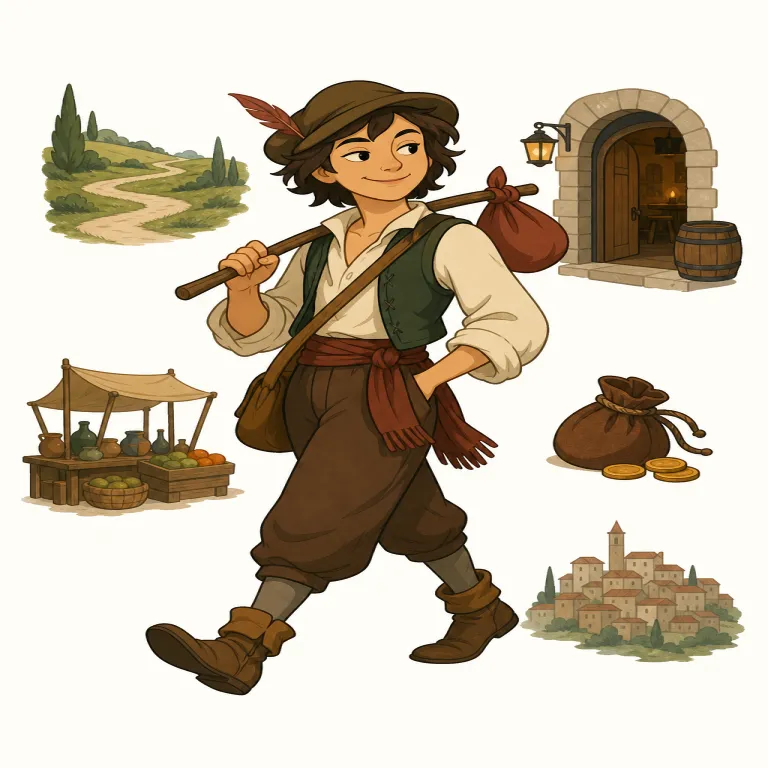
悪漢小説風の
解説 Definition
ならず者や放浪者を主人公にし、風刺やユーモアを交えながら社会の裏面や世渡りを描く作品に特有の性質を表す語。特に文学で、主人公が各地を渡り歩く悪漢小説風の筋立てや、軽妙で皮肉な語り口、その作品らしさを述べるときに使われる。
Picaresque describes a type of story about a clever, often dishonest or low-status character who moves through a series of adventures. The word is mainly used in literature and literary criticism. It often suggests an episodic plot and a playful or critical view of society.
覚え方のコツ Memory Tip
`-esque` は `picturesque` や `Kafkaesque` と同じく「〜風の」を表す形。だから `picaresque` も単なる「悪い人」ではなく、「ならず者ものらしい雰囲気・語り口」を表す形容詞だと押さえると残りやすい。覚える場面は、主人公が町から町へ渡り歩き、機転でしのぎ、社会を皮肉まじりに映す物語。`picaresque novel` `picaresque adventure` の形で見ると、人物そのものより作品の型を言う語だと定着しやすい。
The ending -esque means in the style of, like in picturesque or Kafkaesque. So picaresque means in the style of a rogue story, not simply bad or criminal. Picture a clever wanderer moving from place to place in a satirical adventure.
例文
Picaresque literature often depicts roguish characters.
ピカレスク文学では、しばしばならず者めいた登場人物が描かれる。
The picaresque story follows a clever rogue through comic adventures.
その悪漢小説風の物語は、ずる賢いならず者の滑稽な冒険を描いている。
Picaresque tales celebrate cunning and adventure.
悪漢小説風の物語は、ずる賢さと冒険をたたえる。
picaresque の類義語・関連語
類義語
紛らわしい語
picaresque の語源・成り立ち Etymology
「picaresque」はスペイン語 picaro「悪賢いならず者」に、フランス語系の -esque「〜風の」が付いた語です。もとは“ろくでなしの流儀”を思わせる形なので、主人公の放浪や世渡りを皮肉っぽく描く文芸様式だと納得しやすい語です。関連語はpicaro、picaroon。
Picaresque comes from Spanish picaro, meaning a rogue or trickster, with the French-style ending -esque, meaning "in the style of." The word first meant "like a picaro." It later became the name for a literary style built around the adventures of such a character. Related words include picaro and picaroon.
同じレベルの語彙をもっと
外部辞書で調べる
この英単語をクイズで覚えよう