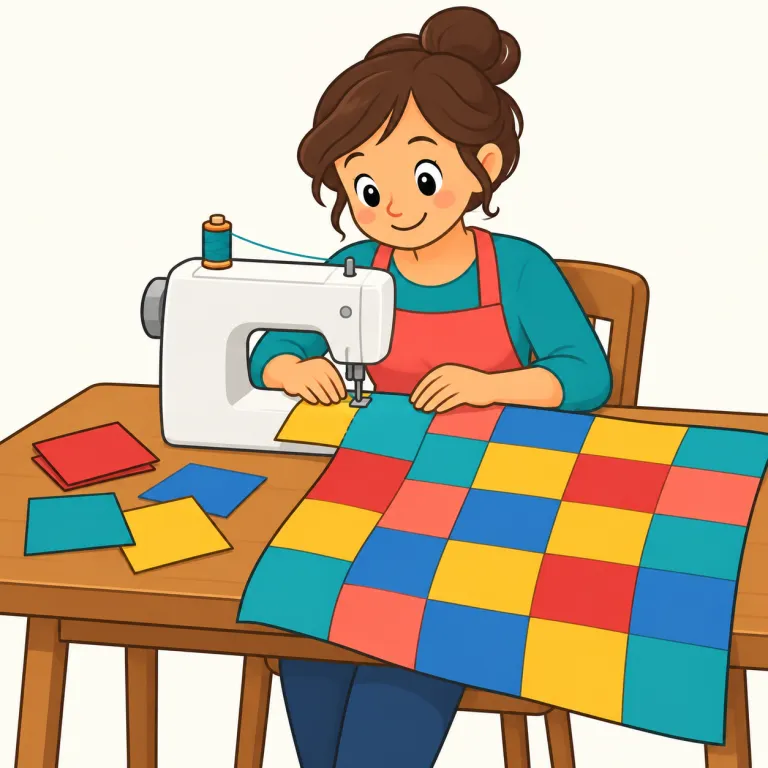
継ぎ合わせ
解説 Definition
piecing は、別々の断片を継ぎ合わせて一つの全体にする行為を表します。布や壊れた物の組み立てにも、情報の断片をつないで筋の通った説明にすることにも使います。
Piecing is the activity or continuing process of joining separate pieces to form a larger whole. It can refer literally to assembling fabric or broken objects and figuratively to combining fragments of information into a coherent account.
使い方 Usage
使い分け Common distinctions
- collecting が断片を集めることを表すのに対し、piecing はそれらをつないで全体にすることを強調します。 Collecting refers to gathering pieces, while piecing emphasizes connecting them into a whole.
覚え方のコツ Memory Tip
piece「断片をつなぐ」の末尾の黙字 e を落として piecing とします。小さな布片が一枚のキルトになる場面を思い浮かべ、情報も同様につなぐと覚えます。
Drop the final silent e from piece before adding -ing: piece → piecing. Picture small fabric scraps becoming one quilt; fragments of information can be connected in the same way.
例文
Piecing the quilt together took several evenings.
キルトを継ぎ合わせるのに数晩かかりました。
She enjoyed piecing small scraps of fabric into a pattern.
彼女は小さな布切れを継ぎ合わせて模様にするのを楽しみました。
Piecing together the information took hours.
情報の断片をつなぎ合わせるのに何時間もかかりました。
piecing の類義語・関連語
piecing の語源・成り立ち Etymology
古フランス語 piece(一片)から英語 piece が生まれ、動名詞 piecing は「断片をつなぎ合わせる行為」を意味する。語根はケルト語由来で「一部分」の意。関連語: piece, piecemeal。パッチワークのように部分を組み合わせて全体を作るイメージ。
Piecing is the -ing form of the verb piece. Piece entered English through Old French piece, referring to a part or portion, and its deeper history is often associated with a Celtic source. English later used the noun as a verb meaning to join parts together. In forming piecing, the final silent e of piece is dropped before the suffix -ing is added.
同じレベルの語彙をもっと
外部辞書で調べる
この英単語をクイズで覚えよう