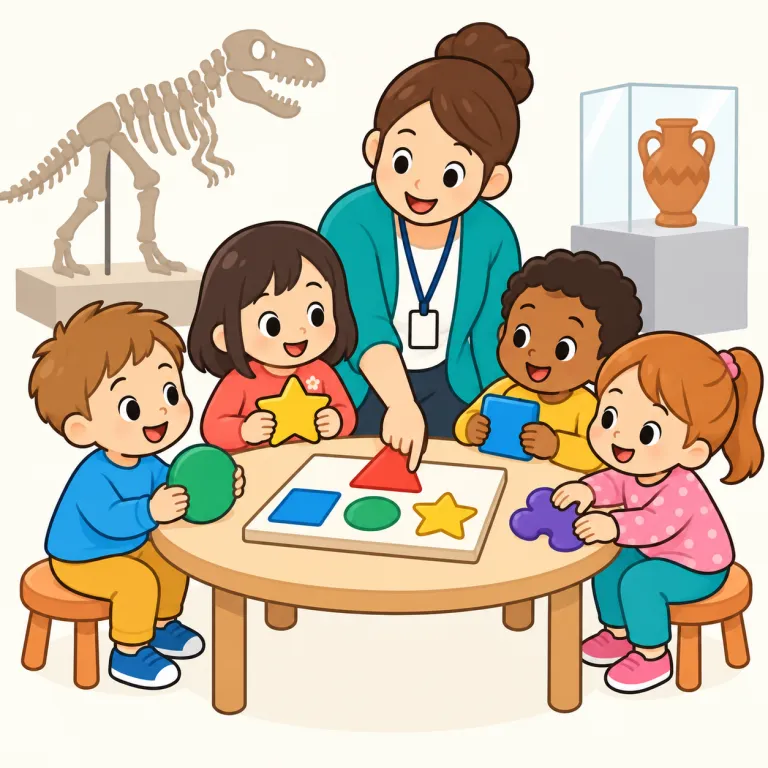
未就学児
解説 Definition
preschoolers は preschooler(未就学児)の複数形で、小学校に入る前の年齢の子どもたちを指します。教育や保育の文脈でよく使われます。
Preschoolers are children who are not yet old enough to attend elementary school, especially those receiving education or care in a preschool. The plural form refers to two or more such children.
使い方 Usage
使い分け Common distinctions
- preschoolers は子どもたち、preschool は就学前の教育施設や教育段階を指します。 Preschoolers refers to the children; preschool refers to the educational institution or stage.
覚え方のコツ Memory Tip
pre-「前」+school「学校」+-er「人」に、複数の -s が付いた形。「学校に入る前の子どもたち」と結び付けましょう。語末の -s は通常 /z/ と発音します。
Break the word into pre- (“before”), school, and -er (“person”), then add plural -s. Picture children before elementary school age. The final -s is normally pronounced /z/.
例文
The museum prepared a simple activity for preschoolers.
博物館は未就学児向けの簡単な活動を用意しました。
Preschoolers often learn through songs and games.
未就学児は歌や遊びを通して学ぶことがよくあります。
preschoolers の類義語・関連語
類義語
派生語
preschoolers の語源・成り立ち Etymology
接頭辞 pre-(前の、ラテン語 prae)+ school(学校、ギリシャ語 scholē=暇・学問)+ 複数接尾辞 -ers。「学校に通う前の子どもたち」の意。関連語: preschool, schooler。就学前の段階を示す接頭辞 pre- の典型的な用法。
Preschoolers is the regular plural of preschooler, formed from preschool plus the person-forming suffix -er and plural -s. Preschool combines pre-, from Latin prae meaning “before,” with school. School ultimately comes through Latin and Greek scholē, a word associated with leisure devoted to learning. The structure therefore identifies children at the stage before formal elementary schooling.
同じレベルの語彙をもっと
外部辞書で調べる
この英単語をクイズで覚えよう