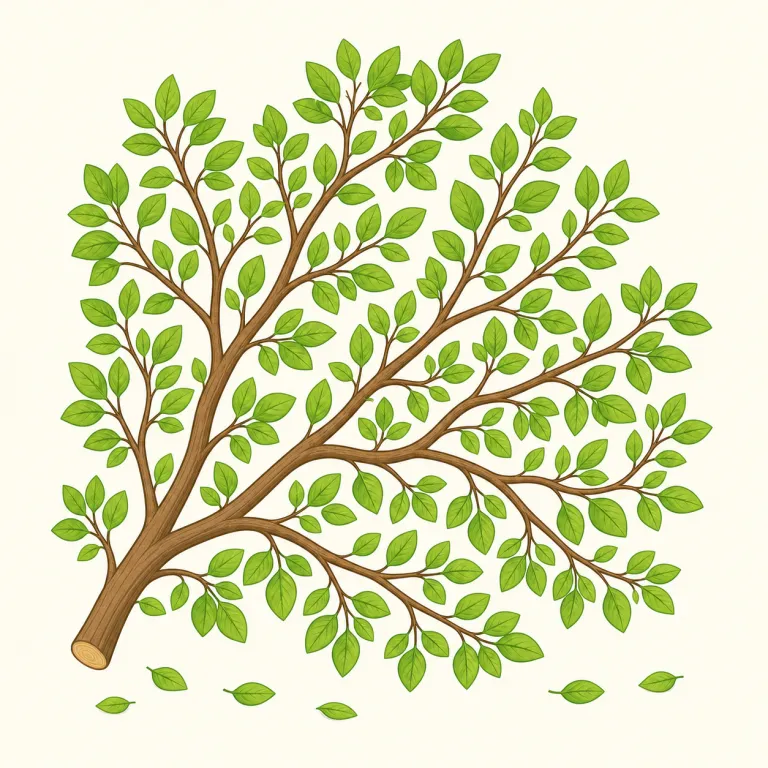
ramage
ramage はTOEIC 860・TOEFL 80・IELTS 6.5レベルの英単語で、「枝葉」という意味があります。発音記号は /ˈræmɪdʒ/ です。
枝葉
解説 Definition
木の枝や枝葉。または鳥のさえずりや歌声を指す古語・文語的表現。
Ramage means the branches and leaves of a tree or group of trees. It is a literary or old-fashioned word, so it is more common in writing than in everyday speech.
覚え方のコツ Memory Tip
ramage は日常語の branch よりずっと文語的で、「木の枝ぶり・枝葉がこんもり広がった感じ」をひとまとめに言う語だと押さえると残りやすいです。ramification を知っていれば「枝分かれ系」の仲間と見てよいですが、あちらが論理的な“分岐”なのに対し、ramage は自然描写寄り。古い詩では birds sing in the ramage のように「枝葉の中で鳥がさえずる」場面にも結びつくので、木陰の枝葉と鳥声を同じ情景でセットにして覚えると定着します。
Ramage is a literary word for leafy branches, not just one branch. It feels close to ramification because both suggest branching, but ramage is for natural scenes, not ideas. Picture birds singing in thick tree branches, and the image will stay with the word.
例文
The old bridge was hidden behind the ramage of the willow tree.
古い橋は柳の枝葉の後ろに隠れていた。
She admired the ramage that framed the garden path.
彼女は庭の小道を縁取る枝葉に見とれた。
In poetry, ramage often symbolizes shelter or song.
詩では、枝葉はしばしば避難所や歌を象徴しています。
ramage の類義語・関連語
類義語
紛らわしい語
ramage の語源・成り立ち Etymology
ramage はフランス語 ramage から入り、古フランス語 ram(枝)に名詞語尾 -age が付いた語です。語根はラテン語 ramus(枝)で、関連語に ramus, ramification があり、だから「枝葉・枝ぶり」という意味が語形からそのまま見えてきます。
Ramage comes from French ramage, built from a word for "branch" plus the noun ending -age. Its deeper source is Latin ramus, meaning "branch." The sense developed from actual branches to branching growth or branch-like form, and it is related to English words such as ramification.
同じレベルの語彙をもっと
TOEIC 860の一覧へ →外部辞書で調べる
この英単語をクイズで覚えよう