惨害、荒廃の跡
noun 名詞特に ravages の複数形で、戦争・病気・年月などが残す深刻な損害や破壊の跡を指します。the ravages of ... の形が典型で、破壊を加える動作ではなく、その結果として生じた被害に焦点を当てます。
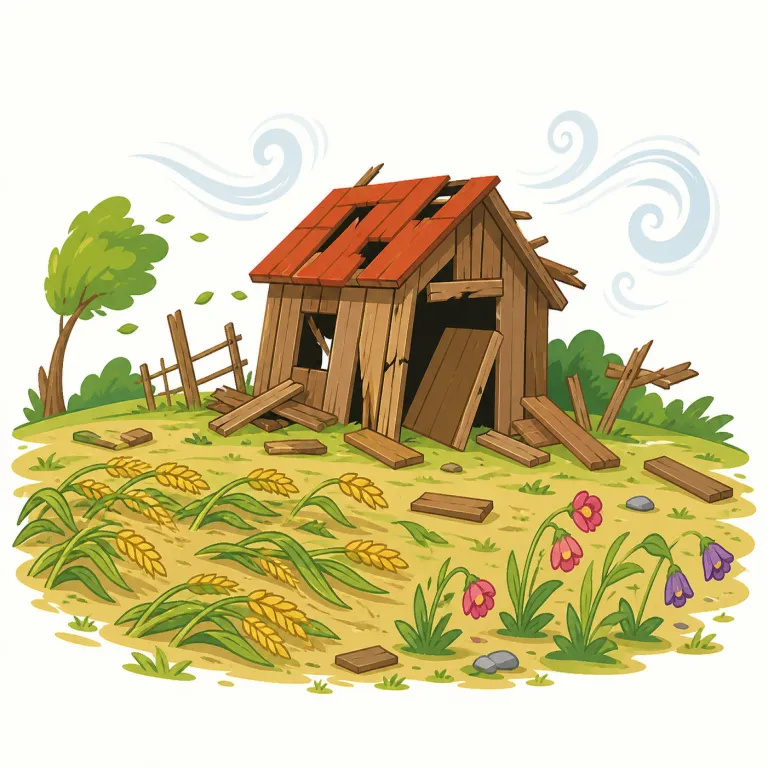
ravage は英検1級・TOEIC 860・TOEFL 80・IELTS 6.5レベルの英単語で、「荒らす」という意味があります。発音記号は /ˈrævɪdʒ/ です。
建物や地域などに対して甚大な破壊や被害を与えること。激しい力により、ものを徹底的に損傷させる。
To ravage means to badly damage, destroy, or ruin something over a wide area. It is often used for war, fire, disease, or natural disasters that cause serious harm. The word has a strong and dramatic meaning.
ravage は damage よりずっと重く、「広い範囲を徹底的に荒らす」語。ニュースで storms, war, fire, disease などが a town, the region, an entire country を ravage する形でよく出る。目の前の物を1つ壊すより、地域全体がめちゃくちゃになる絵で覚えるとよい。destroy に近いが、自然災害・戦争・疫病が土地や暮らしを長く痛めつける響きが強い。見た目が似る savage と混同せず、「被害を与える動詞」として押さえると定着しやすい。
`Ravage` is much stronger than `damage`. Think of news phrases like `storms ravaged the town` or `war ravaged the region`, where a whole place suffers badly. This helps you remember it as a large-scale destruction verb.
The hurricane ravaged the coastal communities, leaving them devastated.
ハリケーンは沿岸地域を破壊し、壊滅的な被害をもたらした。
War continued to ravage the region for years.
戦争は何年もその地域を荒らし続けた。
The drought ravaged the farmland, destroying crops and livestock.
干ばつは農地に大きな被害を与え、作物を枯らし、家畜にも打撃を与えた。
文脈によって、次の意味でも使われます。
特に ravages の複数形で、戦争・病気・年月などが残す深刻な損害や破壊の跡を指します。the ravages of ... の形が典型で、破壊を加える動作ではなく、その結果として生じた被害に焦点を当てます。
フランス語ravager「荒らす」は、ラテン語rapere「奪い去る・ひったくる」に由来する。単なる破壊ではなく「ごっそり奪い取って土地を空にする」感じが、ravageの激しさをよく示す。同根語にrapid、ravishがある。
Ravage comes through French ravager, from Latin rapere, meaning "to seize" or "carry off." The older idea was not only to damage a place, but to strip it by taking things away. Related English words from the same root include ravish and rapid.
この英単語をクイズで覚えよう