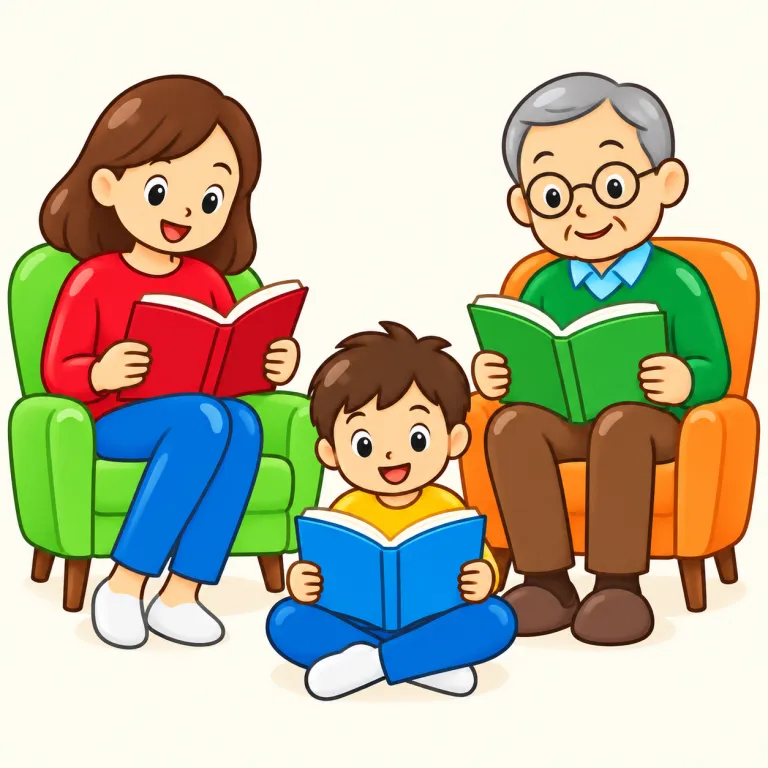
読者
解説 Definition
readers は reader(読者、読む人)の複数形です。本、記事、新聞などを読む人たちをまとめて指すときに使います。
Readers are people who read books, articles, newspapers, or other written material. The word can refer to an audience collectively, to members of a particular reading group, or, in other contexts, to devices or books designed for reading, though the examples here concern people.
覚え方のコツ Memory Tip
readers は reader「読む人・読者」の規則的な複数形で、read + 人や物を表す -er + 複数の -s と分解できます。語末の -s は /z/。read は現在形では /riːd/ なので、readers は /ˈriːdərz/ です。young readers、newspaper readers、questions from readers のまとまりで覚えましょう。
Start with the verb read, add -er for a person who performs the action, and add plural -s: read + er + s gives readers, “people who read.” The plural ending is pronounced /z/, and because read here is based on the present-tense pronunciation /riːd/, readers is pronounced /ˈriːdərz/. Fix the word in memory with common combinations such as young readers, newspaper readers, regular readers, and questions from readers. In publishing, readers often means the audience for a book, article, magazine, or writer.
例文
Many readers liked the story.
多くの読者がその物語を気に入りました。
The book is easy for young readers.
その本は若い読者にも読みやすいです。
The writer answered questions from readers.
その作家は読者からの質問に答えました。
readers の類義語・関連語
対義語
紛らわしい語
readers の語源・成り立ち Etymology
古英語 rǣdere(読む人)から。語根 rǣdan(助言する・解釈する)に行為者接尾辞 -er と複数形 -s が付いた形。関連語:read, reading。元々「助言する人」が「文字を解釈する人」へと意味が変化し、現代の「読者」になった。
Readers is the plural of reader. Reader comes from Old English rǣdere, “one who reads,” built from the ancestor of read and an agent-forming ending. The verb read descends from Old English rǣdan, which could mean “advise, interpret, explain, or read.” Its development reflects the idea of interpreting signs or written language. Modern readers adds the regular plural ending -s to reader.
同じレベルの語彙をもっと
外部辞書で調べる
この英単語をクイズで覚えよう