残り
解説 Definition
remaining は remain(残る)の現在分詞で、形容詞としては残っている、残りのという意味です。数や時間、物などがまだ使われずに残っていることを表します。
Still present, available, or unfinished after other people, things, amounts, or parts have been used, removed, completed, or dealt with. As an adjective, remaining commonly appears before a noun, as in remaining time, tickets, or pages.
覚え方のコツ Memory Tip
remain「残る」の現在分詞で、語末を変えず -ing を加えた形です。形容詞では remaining milk、tickets、pages のように名詞の前に置き、「全体の一部を使った後もまだ残っている」と示します。rest は名詞としての「残り」に使えますが、remaining は残った対象を直接修飾できます。
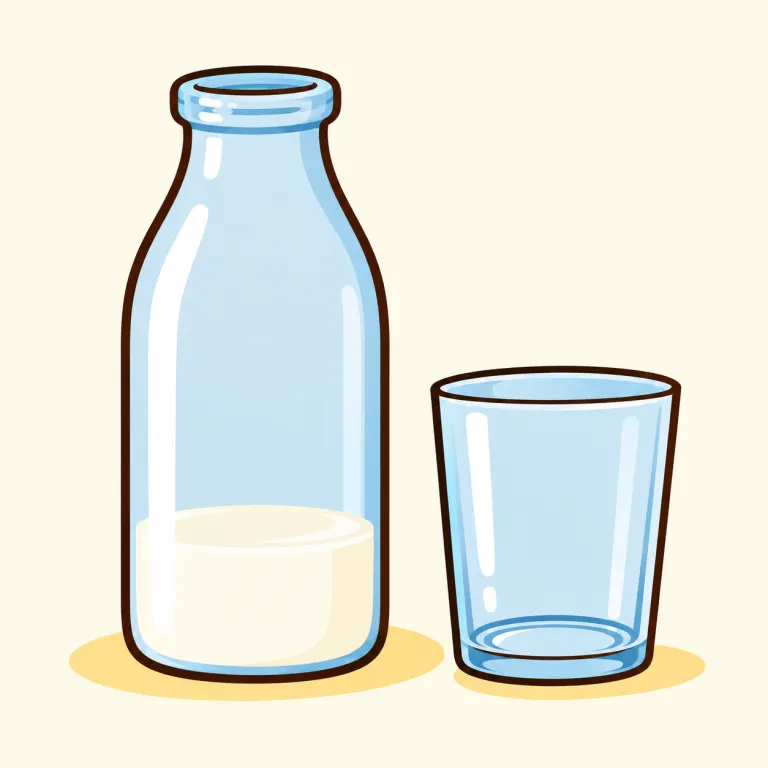
Remaining comes from remain plus -ing, with no spelling change. As an adjective, it identifies what is still left after part of a total has been used, removed, or completed. Picture a carton after some milk has been poured out: the milk still inside is the remaining milk. The same pattern works with remaining tickets, remaining time, and remaining pages. The rest can name what is left, while remaining conveniently modifies the particular noun directly.
例文
Use the remaining milk.
残りの牛乳を使ってください。
We have three remaining tickets.
私たちには残りのチケットが3枚あります。
She read the remaining pages.
彼女は残りのページを読みました。
remaining の類義語・関連語
remaining の語源・成り立ち Etymology
remaining は remain に -ing が付いた形で、語源はラテン語 remanere「後ろにとどまる」です。re-「後ろに・再び」と manere「とどまる」に分けられ、「去らずに残っているもの」という感覚がそのまま意味になり、remain や permanent が関連語です。
Remaining is formed from remain and the suffix -ing. Remain came through Old French from Latin remanere, “to stay behind,” combining re- in the sense of “back” with manere, “to stay.” The adjective therefore describes what stays behind after something else has gone, been used, or been completed. Remnant and permanent are historically connected to the same Latin root.
同じレベルの語彙をもっと
外部辞書で調べる
この英単語をクイズで覚えよう