シナリオ
解説 Definition
scenario は、起こりうる状況や物語の筋書きという意味です。日本語の「シナリオ」は映画や劇の台本を指すことが多いですが、英語では計画上の想定や事態の展開にも広く使われます。
A possible situation or sequence of events, especially one considered when planning, explaining, or predicting what may happen. It can also mean an outline of a story or dramatic action, but it does not necessarily refer to a complete written script.
覚え方のコツ Memory Tip
日本語では映画・演劇の「台本」を連想しやすいが、英語では possible scenario、worst-case scenario のように「起こりうる状況・展開」の意味が非常に多い。scene「場面」と同じく舞台に関わる語源を持つと覚え、複数の条件を置いて「この場合ならどうなるか」を検討する場面と結び付けよう。script は実際の台詞を含む台本。
Link scenario with scene: historically, both are connected with the stage, but scenario now often means an imagined situation rather than a theatrical text. Learn common combinations such as possible scenario, likely scenario, and worst-case scenario. Picture a team asking, “What would happen in this case?” and then planning for that chain of events. Japanese シナリオ often suggests a screenplay, while English scenario is broader. Use script or screenplay when you specifically mean the written dialogue and directions for a play or film.
例文
This scenario is easy to understand.
このシナリオは理解しやすいです。
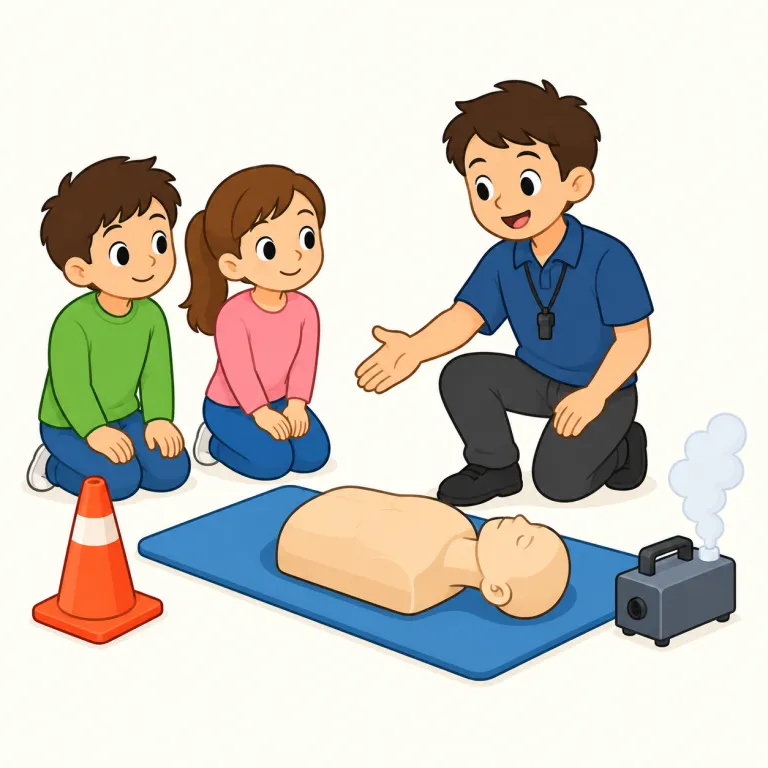
We prepared a scenario for the training.
私たちは研修用のシナリオを用意しました。
In that scenario, the team needs more time.
そのシナリオでは、チームにはもっと時間が必要です。
scenario の類義語・関連語
紛らわしい語
scenario の語源・成り立ち Etymology
イタリア語 scenario(舞台の場面設定)から英語に入った。語根はラテン語 scaena(舞台)で、さらにギリシャ語 skēnē(テントや舞台背景)に遡る。元は演劇の筋書きを指し、転じて想定される状況を意味する。関連語:scene(場面)、scenic(景色の良い)。
Scenario entered English from Italian scenario, a word for stage scenery and an outline of dramatic action. It is related to Italian scena and Latin scaena, “stage” or “scene,” ultimately from Greek skēnē, originally a tent or stage structure. The theatrical meaning broadened from an outline of scenes to an imagined sequence of events. This development explains its modern use in planning, forecasting, training, and discussion of possible situations.
同じレベルの語彙をもっと
外部辞書で調べる
この英単語をクイズで覚えよう