老化
解説 Definition
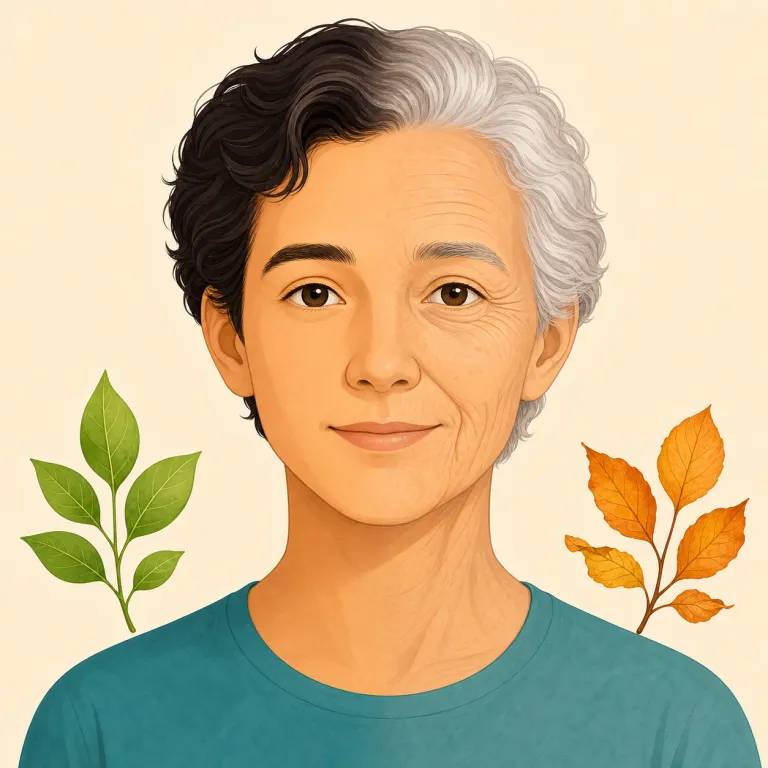
老化とは、生物体が時間の経過に伴って機能的および構造的な劣化を経験するプロセスである。細胞レベルでの変化により、組織や臓器の機能が低下することを指す。
Senescence is the process of growing old, especially in a biological sense. It is often used in science to describe aging in cells, plants, animals, or the human body. The word focuses on gradual physical change over time rather than everyday ideas about old age.
覚え方のコツ Memory Tip
senescence は「年を取った結果」より「老化が進んでいく過程」に焦点を置くと覚えやすい語です。語尾の -escence は adolescence や fluorescence と同じで、「ある状態へ移っていく」「その状態が現れていく」感じを持つ形。senior や senile を知っていれば、sen- に“高齢・老い”の気配を重ねられます。使われ方も scientific で、cellular senescence や leaf senescence のように、細胞・組織・植物が機能低下していく文脈で頻出。日常語の aging より、客観的で専門的な「老化プロセス」として覚えるとぶれません。
The ending `-escence` appears in words about a process of becoming, so `senescence` is about the process of growing old. The beginning `sen-` can remind you of words like `senior`. This is more scientific and formal than `aging`. Think of phrases like `cellular senescence`, where the focus is on gradual change over time.
例文
Senescence is a natural biological process in all living organisms.
老化はあらゆる生物に起こる自然な生物学的過程である。
The scientist studied cellular senescence to understand aging.
科学者は老化を理解するために細胞老化を研究した。
Senescence leads to visible changes in skin and hair.
老化は皮膚や髪に目に見える変化をもたらす。
senescence の類義語・関連語
類義語
派生語
senescence の語源・成り立ち Etymology
senescence はラテン語 senescere「老いていく」に由来し、senex「老人」+ -escence「〜になっていく状態」から成ります。senior や senile と同根で、単なる老年ではなく「徐々に老化が進む過程」を表す語です。
Senescence comes from Latin senescere, meaning "to grow old," from senex "old man" and the ending -escence for a gradual process. Senior and senile come from the same root. The word kept the idea of aging as something that happens over time, not just the state of being old.
同じレベルの語彙をもっと
外部辞書で調べる
この英単語をクイズで覚えよう