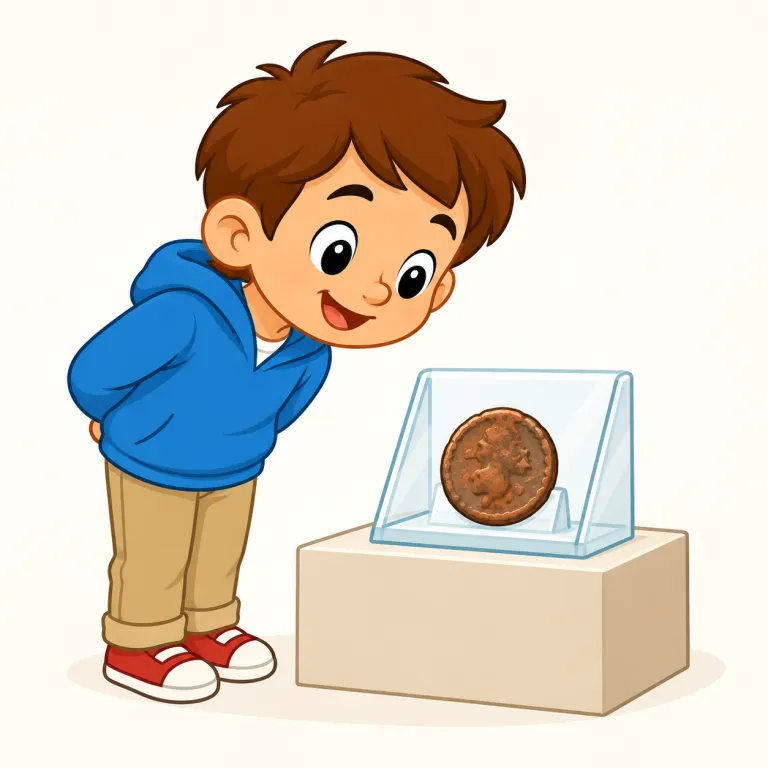
シャーヒー(旧ペルシャの貨幣単位・硬貨)
解説 Definition
19〜20世紀のペルシャで用いられた貨幣単位。1シャーヒーは銀のクランの20分の1に相当した。また、その額面の銀貨・銅貨・ニッケル貨を指す。
A former Persian unit of value used in the nineteenth and twentieth centuries, equal to one twentieth of a silver kran. The word also denotes a corresponding silver, copper, or nickel coin.
覚え方のコツ Memory Tip
shahi は shah「王」に関係するペルシャ語に由来しますが、英語の辞書的な名詞としては旧ペルシャの貨幣単位・硬貨を指します。20 shahis = 1 kran と覚えると、shah「王」や emperor「皇帝」と区別できます。
Connect shahi with Persian shah, “king,” but remember that the established English noun denotes a former unit of money and its coin. Twenty shahis equaled one kran. It does not mean an emperor.
例文
The museum displayed a copper shahi from nineteenth-century Persia.
博物館には19世紀ペルシャの銅製シャーヒー硬貨が展示されていた。
Twenty shahis were equal to one kran.
20シャーヒーが1クランに相当した。
The account book listed the payment in shahis.
その帳簿には支払い額がシャーヒーで記されていた。
shahi の類義語・関連語
派生語
shahi の語源・成り立ち Etymology
ペルシャ語 shāhī に由来する。これは「王の、王室の」を意味する語で、shāh「王」から派生した。英語では旧ペルシャの貨幣単位および硬貨の名称として定着した。
Shahi comes from Persian shāhī, the word for “royal,” derived from shāh, “king.” In English it became the name of a former Persian monetary unit and the corresponding coin.
同じレベルの語彙をもっと
外部辞書で調べる
この英単語をクイズで覚えよう