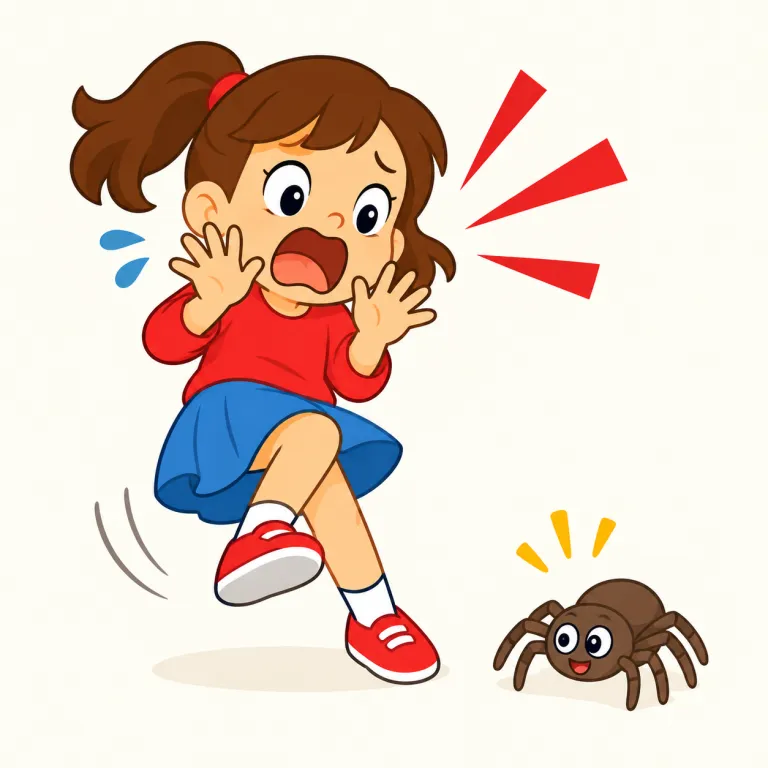
悲鳴を上げる
解説 Definition
shrieking は shriek(悲鳴を上げる)の現在分詞・動名詞です。恐怖や驚き、強い興奮で高い声を出している様子を表します。
Shrieking is the present-participle and gerund form of shriek. It describes producing a sudden, loud, high-pitched cry because of fear, surprise, pain, or intense excitement, or refers to the act of making such a cry.
覚え方のコツ Memory Tip
原形 shriek「甲高い悲鳴を上げる」に -ing を付けた現在分詞・動名詞で、発音は /ˈʃriːkɪŋ/。shriek の長い /iː/ と鋭い /k/ を、恐怖や驚きで出る高く突き刺す声に結び付ける。be shrieking、hear someone shrieking の型で、単なる shout より甲高い声だと区別する。
Shrieking is formed by adding -ing to shriek and is pronounced /ˈʃriːkɪŋ/. Keep the long /iː/ sound and the sharp final /k/ connected with a piercing, high-pitched cry. Picture children shrieking when the lights suddenly go out, or hear someone shrieking in a hallway. Useful patterns are be shrieking and hear someone shrieking. Unlike shouting, which mainly emphasizes loudness, shrieking suggests a particularly high, sharp voice produced by fear, surprise, pain, or powerful excitement.
例文
The children were shrieking when the lights suddenly went out.
突然明かりが消えると、子どもたちは悲鳴を上げていました。
I heard someone shrieking in the hallway.
廊下で誰かが悲鳴を上げているのが聞こえました。
The audience started shrieking with surprise during the magic show.
手品の最中、観客は驚いて悲鳴を上げ始めました。
shrieking の類義語・関連語
shrieking の語源・成り立ち Etymology
古英語のscrican(鋭く叫ぶ)に由来し、中英語shrikeを経て定着した擬態語です。甲高く引き裂くような声が思わず出る様子を音そのもので表しており、語幹shriekに接尾辞-ingが結合して状態を示します。同語根の関連語に原形のshriekと名詞形のshriekerがあります。
Shrieking consists of shriek and the participial or gerund suffix -ing. Shriek developed from Middle English forms such as shriken and is related to Old English scrīcan, meaning to cry out sharply. Its sound and historical development reinforce the idea of a piercing cry, although it should not be treated as a newly invented sound imitation. Adding -ing presents the action as ongoing or allows the activity itself to function as a noun.
同じレベルの語彙をもっと
外部辞書で調べる
この英単語をクイズで覚えよう