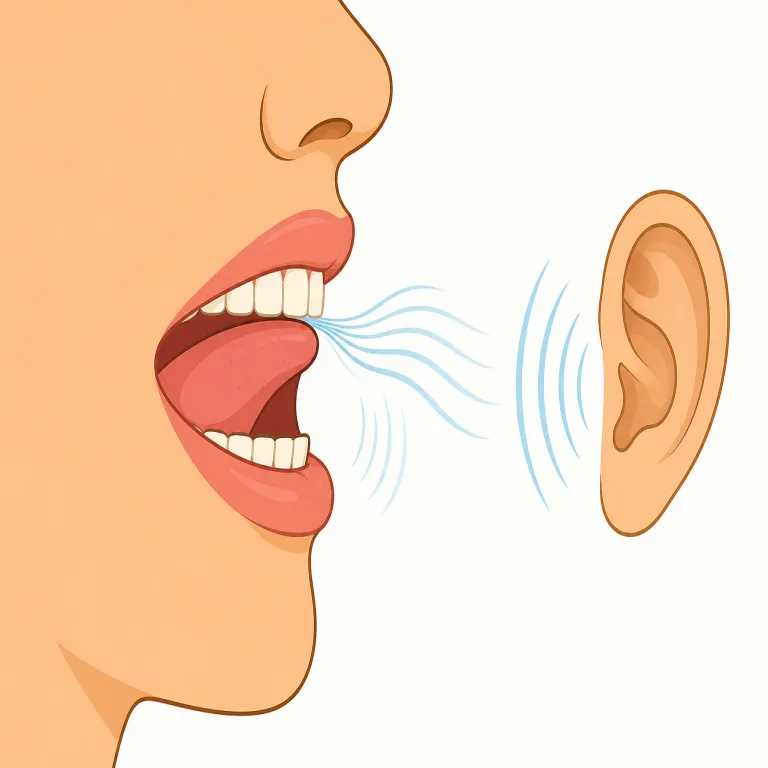
歯擦音
解説 Definition
sibilant が名詞で使われる場合は、/s/ や /sh/ のように、息が歯のすき間を通るときの摩擦で生じる歯擦音を指します。言語学や音声学で使われる用語で、発音の分類や各言語の音の違いを説明するときに用いられます。
A sibilant is a speech sound made with a hissing quality, like the sounds of s, sh, or z. It is used in linguistics and phonetics when talking about pronunciation. The word can also be used more generally to describe something with a soft hissing sound.
覚え方のコツ Memory Tip
sibilant は音声の話で出たら、まず /s/ や /sh/ のような「息がこすれて出る鋭い音」を思い浮かべる。意味を漢字で覚えるより、hiss のようなシューッという摩擦音の仲間だと結びつけると残りやすい。名詞では『歯擦音そのもの』、形容詞では『歯擦音の・シューという音の』にもなるので品詞に注意。plosive(破裂音)や nasal(鼻音)と並ぶ発音分類の一語として覚えると、どの場面の単語かも一緒に定着する。
Think of the hiss-like sounds in `s` and `sh`. A `sibilant` is one of those sharp friction sounds, so link it to `hiss`. It is useful to remember it beside other sound terms like `plosive` and `nasal`. The word can describe the sound itself or something that has that sound.
例文
English has several sibilants, such as /s/ and /z/.
英語には /s/ や /z/ などの歯擦音がいくつかある。
The child had trouble pronouncing one of the sibilants.
その子どもは歯擦音の一つをうまく発音できなかった。
Linguists compared the sibilants used in the two dialects.
言語学者たちはその二つの方言で使われる歯擦音を比較した。
sibilant の類義語・関連語
類義語
sibilant の語源・成り立ち Etymology
sibilant はラテン語 sibilare「シューと音を立てる」+ -ant「…しているもの」から来た語です。もとは蛇や蒸気のような鋭い息の音で、そのまま s や sh の歯擦音を指すのが腑に落ちます。同根語に sibilate、sibilation があります。
Sibilant comes from Latin sibilare, meaning "to hiss," with the ending -ant, meaning "doing" or "being." It first described a hissing sound like that of a snake or steam. From there, it came to be used for speech sounds such as s and sh. Related words include sibilate and sibilation.
同じレベルの語彙をもっと
外部辞書で調べる
この英単語をクイズで覚えよう