不満の声、非難の声
noun 名詞人が不満や非難を示すために発する「シーッ」「シューッ」という声を指します。観客などが集団で発する声にも用い、a hiss of disapprovalやboos and hissesのように、単なる物音ではなく否定的評価を伝えます。
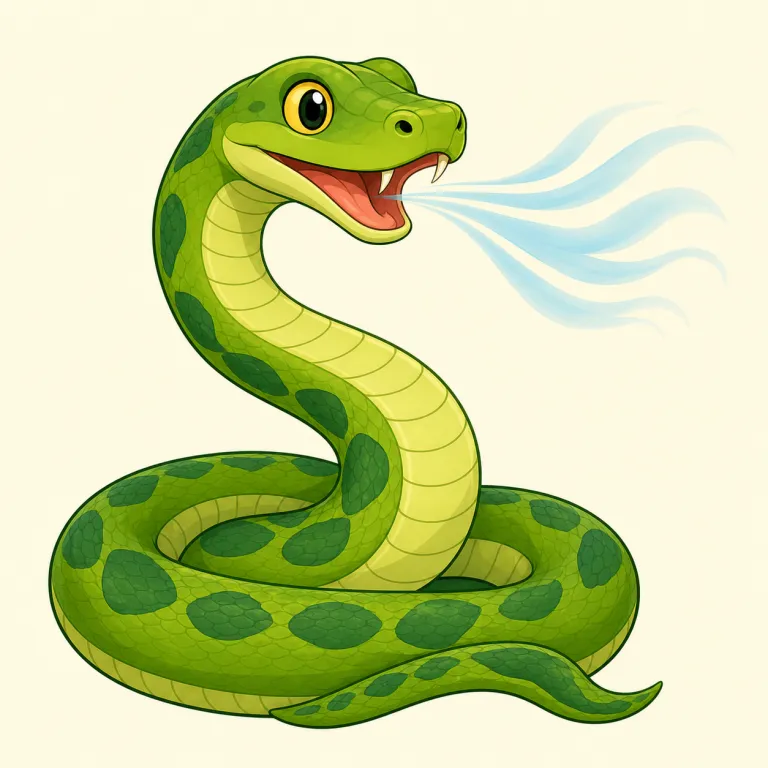
蛇や漏れた空気などが発する、細く長い「シューッ」という鋭い音。
This is a long, sharp “ss” sound like the noise made by a snake or escaping air. It is often caused by air or steam moving through a narrow opening.
hiss は、蛇の息や細い穴から漏れる空気・蒸気が立てる、長く鋭い「シューッ」という音です。語そのものを息を細く出して「ヒス」と発音し、空気が隙間を通る音と重ねると定着しやすいです。the hiss of escaping air「漏れる空気のシューッという音」、a hiss from the pipe「管からするシューッという音」を型で覚えましょう。buzz が蜂や機械の「ブーン」、sizzle が焼ける「ジュージュー」なのに対し、hiss は細い空気の流れを感じる音、と聞き分けるのがコツです。
Say hiss while slowly forcing air between your teeth and notice how the word imitates its meaning. Associate it with phrases such as “the hiss of escaping air,” and distinguish it from a buzz or a sizzle.
We heard the hiss of escaping air.
私たちは空気が漏れるシューッという音を聞いた。
A sudden hiss came from the pipe.
突然、パイプからシューッという音がした。
The snake made a low hiss in the grass.
その蛇は草むらで低いシューッという音を立てた。
文脈によって、次の意味でも使われます。
人が不満や非難を示すために発する「シーッ」「シューッ」という声を指します。観客などが集団で発する声にも用い、a hiss of disapprovalやboos and hissesのように、単なる物音ではなく否定的評価を伝えます。
怒りや切迫感を込め、息を押し出すような低い鋭い声で言葉を発することです。hiss a warningや“Stop,” she hissedのように発言内容を目的語や引用で続け、単にシューッという音を出す用法とは区別されます。
擬音語が直接的な語源です。中英語のhissenに遡り、蛇や噴き出す蒸気が立てる「シューッ」という音をそのまま文字化して生まれました。音そのものが意味を持つため、理屈抜きで納得しやすい単語です。同じ音模倣語にwhistleやsizzleがあります。
Hiss is an imitative word that goes back to Middle English hissen. It was formed to represent the sound made by snakes or escaping steam.
この英単語をクイズで覚えよう