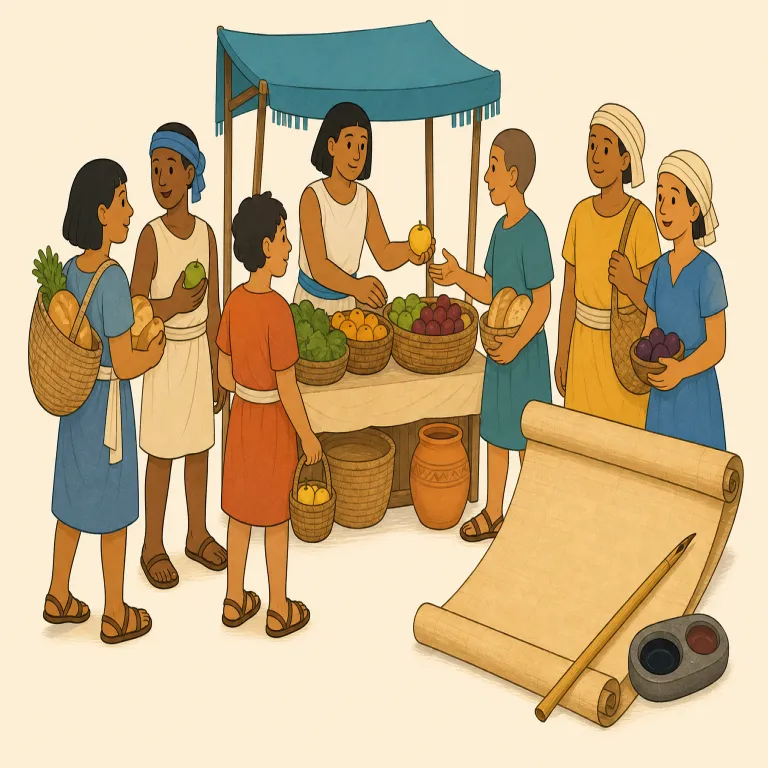
民衆ギリシャ語
noun 名詞現代ギリシャ語のうち、一般の人々が日常的に話してきた口語系の言語形式を指します。公的・文語的なカサレヴサに対置され、英語では通常 Demotic と大文字で表記されます。
demotic は、一般の人々に関わる、民衆的な、日常語に近いといった意味の形容詞で、堅い表現や専門的なものに対して親しみやすい性質を表す。また、古代エジプトで使われた簡略書体のデモティック文字に関する、という専門的な意味でも用いられる。
Demotic means related to ordinary people or to everyday life and language. It is used for styles, expressions, or forms that are common and popular rather than formal or elite. In some historical contexts, it can also refer to a type of simplified Egyptian writing.
demotic は、formal・literary・elite の反対側に置くと覚えやすい語です。demo- を democracy などの people 系の語と結びつければ、民衆向け・日常的という方向がつかめます。demotic speech なら気取らないふつうの話し方、demotic script なら専門家だけでなく実用で広く使われる文字という感じ。高級・堅い・限定的ではなく、一般の人に開かれた語だと押さえると残りやすいです。
Notice `demo-`, the same people idea you see in `democracy`. That can remind you that `demotic` belongs to ordinary people, everyday use, and non-elite style. Think of it as the opposite side of `formal`, `literary`, or `academic`.
Demotic script was used for everyday writing in ancient Egypt.
デモティック文字は古代エジプトで日常の筆記に使われていた。
The poet preferred demotic language to formal rhetoric.
その詩人は堅苦しい修辞よりも民衆的な言葉遣いを好んだ。
Her essays have a demotic tone that appeals to ordinary readers.
彼女の随筆は、一般の読者に親しみやすい日常的な語り口で書かれている。
文脈によって、次の意味でも使われます。
現代ギリシャ語のうち、一般の人々が日常的に話してきた口語系の言語形式を指します。公的・文語的なカサレヴサに対置され、英語では通常 Demotic と大文字で表記されます。
demotic はギリシャ語 dēmotikos「民衆の」が語源で、dēmos「人々・民」と形容詞語尾 -ikos から成ります。もともと「民衆が日常で使う」という感覚があり、そこから神聖文字に対する「日常エジプト文字」を指します。democracy や demography も同じ語根です。
Demotic comes from Greek demotikos, meaning "of the people," from demos "people" plus the adjective ending -ikos. It first carried the idea of ordinary popular use. That is why it later came to name the everyday Egyptian script, in contrast to sacred writing. Related English words include democracy and demography.
この英単語をクイズで覚えよう