岩床
noun 名詞地質学で、既存の地層にほぼ平行に入り込んで固まった板状の火成岩体を指す。地層を横切って形成される dike(岩脈)と区別され、地質図や火山活動の説明で用いられる。
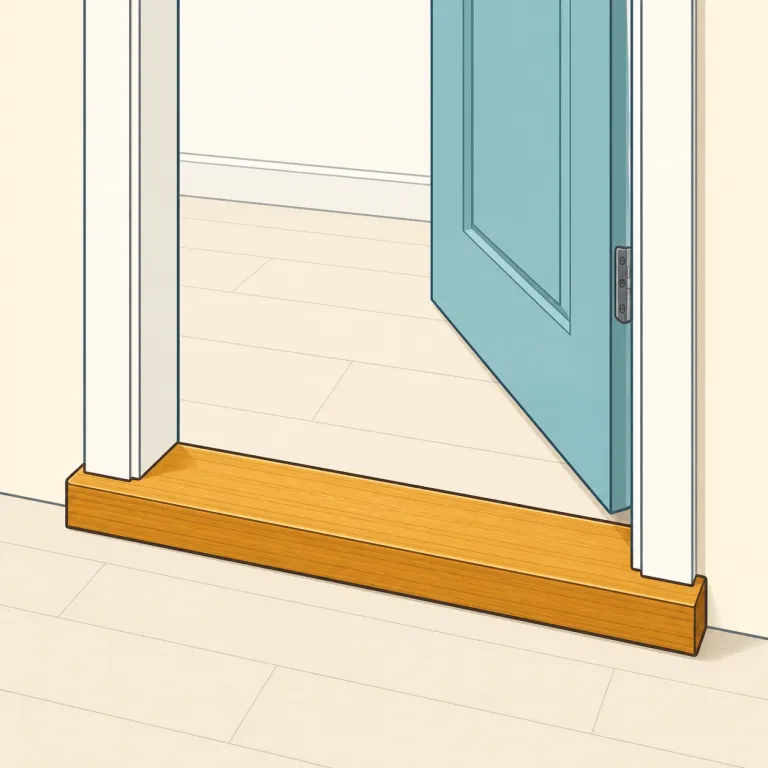
窓や戸の枠の下部にある、横に渡した部材。特に窓の下枠を指して使われる。
This is the horizontal piece forming the bottom of a window or doorway. It is especially often used for the lower part of a window frame.
sill は、窓や戸の枠の「いちばん下を横に渡る部分」と位置で覚えるのが確実です。特によく見る windowsill は window+sill で「窓の下枠・窓台」。窓辺の鉢植えを支える細長い板を思い浮かべ、put a plant on the window sill と一まとまりで覚えましょう。frame が枠全体、ledge が壁などから張り出した棚状部分を広く指すのに対し、sill は開口部の下辺をなす部材です。雨水がたまる、木が腐って修理する、といった具体的な場面も語義の固定に役立ちます。
Picture the narrow piece at the bottom of a window that supports a plant. The common word “windowsill” combines “window” with this term; unlike “frame,” it refers specifically to the bottom edge.
She put the plant on the window sill.
彼女はその植物を窓台に置いた。
Rainwater collected along the window sill.
雨水が窓台に沿ってたまった。
The old wooden sill below the window needs to be repaired.
窓の下にある古い木製の窓台は修理する必要がある。
文脈によって、次の意味でも使われます。
地質学で、既存の地層にほぼ平行に入り込んで固まった板状の火成岩体を指す。地層を横切って形成される dike(岩脈)と区別され、地質図や火山活動の説明で用いられる。
sill は古英語 syll / sylle「敷居・土台」が語源で、家の下辺を支える横木を指した語です。戸口や窓の「いちばん下で支える部分」という核心から、「敷居」「窓台」の意味が生まれました。関連語は windowsill, German Schwelle です。
Sill comes from Old English syll or sylle, meaning a threshold or supporting base. Its original image was a horizontal piece supporting the lowest part of a structure.
この英単語をクイズで覚えよう