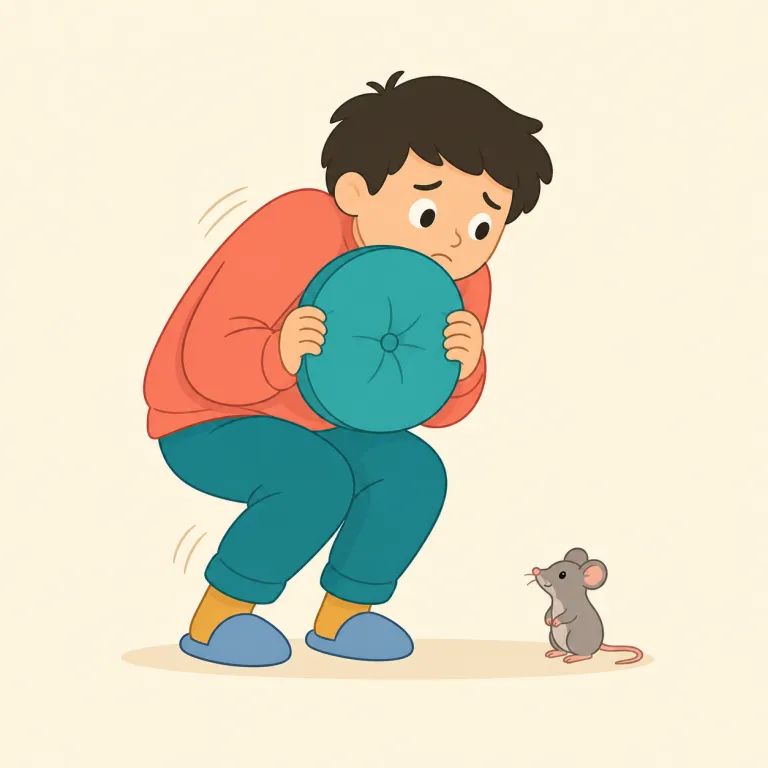
背骨のない、無脊椎の
adjective 形容詞動物について、脊柱や背骨を持たないという身体的特徴を表す文字どおりの用法。spineless animal のように使い、勇気や決断力がないという人への比喩的な非難とは明確に区別される。
勇気や決断力がなく、気が弱い様子を表す。困難な状況に立ち向かう力がない。
If someone is spineless, they are weak in character and not brave enough to defend their opinions or do the right thing. It is usually a negative word for a person who avoids conflict because of fear. The word is mostly used in a figurative way, not about the body.
英語では backbone が「気骨・芯の強さ」を表すので、spineless はその反対側に置くと覚えやすい語です。spine を見たら「体の背骨」よりも「人を支える芯」を連想すると定着します。-less は powerless, hopeless と同じく「〜がない」。a spineless leader, a spineless response のように、圧力や批判に押されて弱腰な人・態度を非難する文脈でよく出ます。shy が単に内気なのに対し、spineless は「言うべき場面で言えない意気地のなさ」まで含むのが違いです。
Focus on `spine`, the backbone. In English, a backbone can suggest courage and inner strength, so `spineless` means someone seems to have no backbone. The ending `-less` helps too: like `hopeless` or `powerless`, it means "without."
His spineless approach to leadership disappointed the team.
彼の弱腰な指導姿勢にチームは失望した。
She was criticized for her spineless response to injustice.
彼女は不正に対して弱腰な対応をしたことで批判された。
The spineless politician avoided taking any decisive action.
その意気地のない政治家は、断固たる行動を取ろうとしなかった。
文脈によって、次の意味でも使われます。
動物について、脊柱や背骨を持たないという身体的特徴を表す文字どおりの用法。spineless animal のように使い、勇気や決断力がないという人への比喩的な非難とは明確に区別される。
spineless は spine「背骨」に、古英語由来の接尾辞 -less「〜がない」が付いた語です。spinal や spiny も同根で、文字どおり「背骨がない」から「気骨がない・意気地のない」へ進んだ比喩が見えてきます。
Spineless is built from spine and the suffix -less, meaning "without." It first meant literally "without a backbone," and then became a figurative way to say someone lacks inner strength or courage. Related words from the same base include spinal and spiny.
この英単語をクイズで覚えよう