開口部、孔
noun 名詞生物学や医学で、器官や体表にある口状の開口部を指すstomaの複数形として用いられる。植物の気孔に限らず解剖学的な孔にも使えるが、手術で造設した人工肛門などの複数形にはstomasも広く使われる。
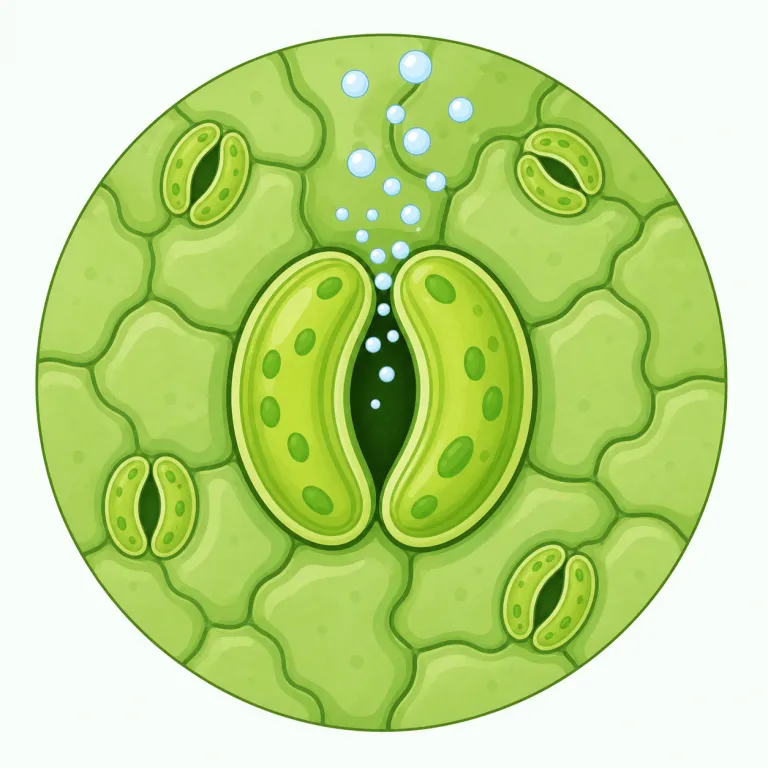
気孔は植物の葉に存在する微細な開口部で、二酸化炭素の吸収と酸素の放出を行います。主にガス交換と蒸散調節の役割を果たす細胞構造です。
Stomata are tiny openings on the surface of leaves and stems. Plants use them to take in carbon dioxide and release oxygen and water vapor. The word is a scientific term used in biology and botany.
まず singular の stoma とセットで覚えると定着しやすいです。学術語では -a が複数を表す形があり、stomata は『stoma が多数ある状態』と捉えると見分けやすくなります。意味は抽象的に覚えるより、『葉の表面に並ぶ通気口』で固定するのが有効です。CO2 を取り込み、O2 や水蒸気を出す出入口なので、open and close, stomatal opening, gas exchange などの表現と一緒に覚えると機能まで結びつきます。stamen や単なる cell と混同しないのも重要です。
Learn it together with the singular `stoma`. In scientific words, `-a` can mark a plural form, so `stomata` means many `stoma`. Picture tiny openings on a leaf, and connect it with phrases like `open and close` or `gas exchange`.
Plants absorb carbon dioxide through stomata on their leaves.
植物は葉の気孔を通じて二酸化炭素を吸収します
Stomata close at night to prevent water loss.
気孔は夜間に閉じて、水分の喪失を防ぎます
The number of stomata varies depending on the plant species.
気孔の数は植物の種によって異なります
文脈によって、次の意味でも使われます。
生物学や医学で、器官や体表にある口状の開口部を指すstomaの複数形として用いられる。植物の気孔に限らず解剖学的な孔にも使えるが、手術で造設した人工肛門などの複数形にはstomasも広く使われる。
stomata は stoma の複数形で、ギリシャ語 stoma「口」に由来する。語幹 stomat- が「口・開口部」、-a はギリシャ語系の複数で、葉の小孔を「植物の口」と見立てた名だと分かると、気体や水蒸気の出入り口という働きが腑に落ちる。関連語は stoma、stomatal。
Stomata is the plural of stoma, from Greek stoma, meaning "mouth." The stem stomat- kept the idea of a mouth or opening, and the plural ending -a comes from Greek and Latin scientific usage. Scientists used the word because these tiny openings in plants were imagined as little mouths. Related words include stoma and stomatal.
この英単語をクイズで覚えよう