ゲルマンの
解説 Definition
ゲルマン民族やその言語・文化、またはドイツに関係することを表す形容詞。歴史や言語学の説明で使われることが多く、文脈によっては、厳格さや規律正しさのような「ドイツ人的」と見なされる特徴を比喩的に述べる場合もある。
Teutonic means relating to Germany, Germanic people, or Germanic languages and culture. It is mostly used in history, language study, or formal writing. The word sounds somewhat old-fashioned in everyday English.
覚え方のコツ Memory Tip
German や Germanic を知っていれば、その歴史・文化寄りの硬い言い方が teutonic と覚えると残りやすい。日常会話ではあまり使わず、民族・言語・騎士団・気質などをやや古風に述べる場面で出る。特に Teutonic languages, Teutonic knights, a teutonic style のような形で見ておくと定着する。単に「ドイツの」なら German のほうが普通で、teutonic は学術的・歴史的で重い語感。Germanic とかなり近いが、より古風で文脈が限られる点もセットで覚えると混同しにくい。
Think of Teutonic as a more old-fashioned, historical word near "Germanic." It often appears in fixed phrases like Teutonic languages or Teutonic Knights, so learn it with those collocations. If you only mean modern everyday "German," the usual word is German, not Teutonic.
例文
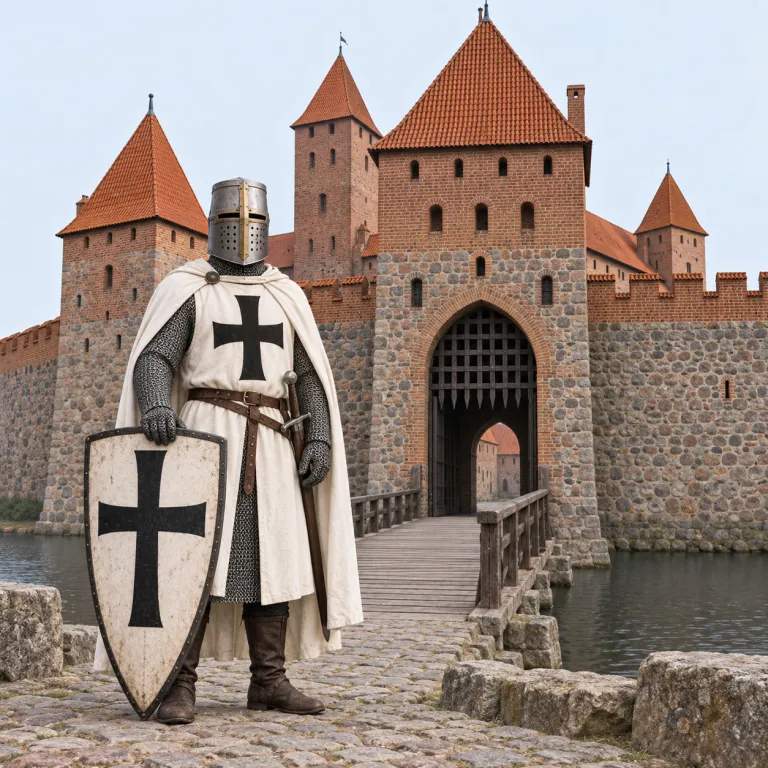
The castle's Teutonic architecture reflected the military traditions of medieval Germanic knights.
その城のゲルマン風建築は、中世のゲルマン系騎士の軍事的伝統を反映していた。
The Teutonic Knights established a powerful state along the Baltic coast in the thirteenth century.
ドイツ騎士団は13世紀にバルト海沿岸で強力な国家を築いた。
His stern demeanor and strict punctuality were jokingly described as Teutonic traits.
彼の厳格な態度と時間をきっちり守るところは、冗談交じりにゲルマン的な気質だと言われた。
teutonic の類義語・関連語
teutonic の語源・成り立ち Etymology
teutonic はラテン語 Teutonicus に由来し、さらにゲルマン系の語根 *teuta-「民・人びと」にさかのぼります。Dutch や Deutsch と同根で、もとは特定の「民族の人びと」を指した語だと知ると、「ゲルマンの」という意味の輪郭がはっきりします。
Teutonic comes from Latin Teutonicus, used for Germanic peoples. It goes back to an old Germanic root, *teuta-, meaning "people" or "tribe." The same root appears in words like Dutch and Deutsch, so the word originally pointed to a people and later came to mean "Germanic" more generally.
同じレベルの語彙をもっと
外部辞書で調べる
この英単語をクイズで覚えよう