えいたんごクイズ

mussel

/ˈmʌsəl/

意味一覧 (3件)

noun

ムールかい

解説 Definition

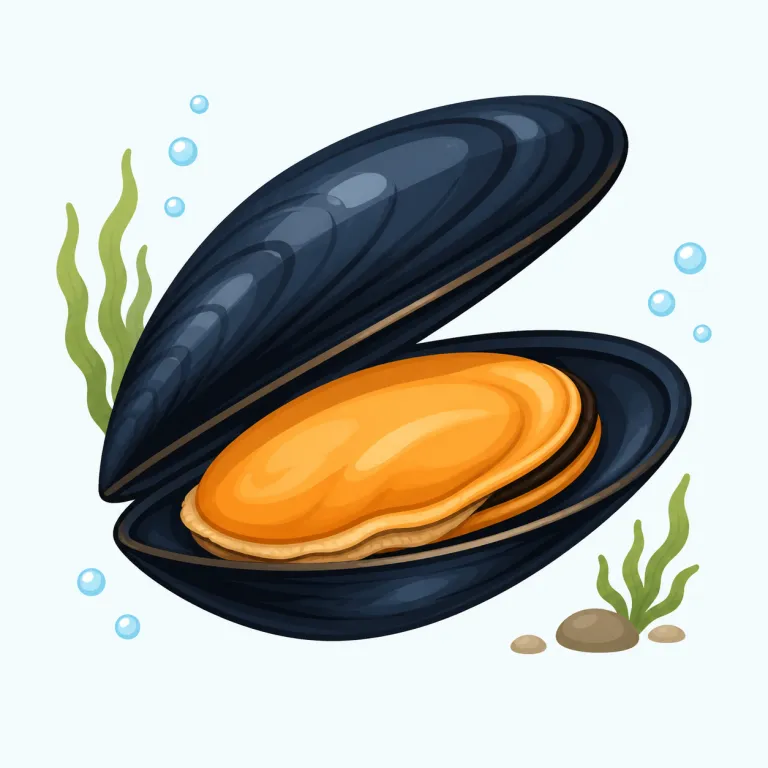
黒い殻を持つ二枚貝の一種です。ヨーロッパ料理でよく使われ、スープやワイン煮などで調理されます。

A mussel is a type of shellfish with a dark, hard shell and soft meat inside. It lives in saltwater or freshwater and is often eaten as seafood. The word usually refers to the animal itself or the food made from it.

覚え方のコツ Memory Tip

mussel は料理や食材の文脈で「ムール貝」と結びつけて覚えると実用的です。黒っぽく細長い殻の二枚貝が、steamed mussels, mussels in white wine, mussel soup のように白ワイン蒸しやスープ、地中海料理の皿に出てくる場面を思い浮かべましょう。muscle「筋肉」と音は同じですが、mussel には c がありません。

Remember mussel through food phrases like steamed mussels, mussels in white wine, and mussel soup. It is a kind of shellfish with a dark shell, often seen on restaurant menus. Watch the spelling: muscle has a c, but mussel does not.

例文

The restaurant served fresh mussels steamed in white wine and garlic.

そのレストランは、白ワインとニンニクで蒸した新鮮なムール貝を提供した。

Mussels are a rich source of protein and are popular in Mediterranean cuisine.

ムール貝はタンパク質の豊富な供給源であり、地中海料理で人気があります。

She cleaned the mussels and removed the beards before cooking them.

彼女は調理する前に、ムール貝をきれいにして糸を取り除いた。

noun

イガイ

(意味 2)

解説 Definition

mussel は川や海の岩、桟橋、潮だまりなどに付着して暮らす二枚貝、特にイガイ類を指します。食材名に限らず、生物や環境調査の文脈で、殻を持つ小さな貝を述べるときにも使います。

A mussel is a kind of bivalve shellfish that lives attached to rocks, piers, or surfaces in rivers, the sea, and tide pools. The word often refers to mussel species such as marine mussels or freshwater mussels, not only to food. It is also used in biology and environmental studies when talking about small shellfish with hard shells.

覚え方のコツ Memory Tip

fancy は fantasy と同じ系統で、まず「頭の中に像を作る」と考えると覚えやすいです。fancying はその進行形・動名詞形で、何かを想像している状態や、そうではないかと心に浮かべることを表します。fancy that... は「…だと思い描く、…ではないかと思う」の形で出やすく、imagine より少し古風・英国寄りです。好みや欲求ではなく、心に浮かぶイメージに焦点を置きましょう。

Fancy and fantasy come from the same idea of forming an image in the mind, so it is easier to remember them through that picture. Fancying can describe the state of imagining something or thinking that something may be true. In expressions like fancy that ..., it often means "imagine that ..." or "think that ... may be the case," and it sounds a little more old-fashioned or British than imagine. Focus on the mental image, not on liking or wanting something.

例文

We found a mussel attached to the rock at low tide.

干潮のとき、岩にくっついたイガイを見つけた。

The scientist collected each mussel carefully for the water quality survey.

その研究者は水質調査のためにイガイを一つずつ注意深く集めた。

This river used to have many freshwater mussels, but now only a few remain.

この川には昔たくさんの淡水性のイガイがいたが、今は少ししか残っていない。

noun

二枚貝にまいがい

(意味 3)

解説 Definition

貝殻が二つに分かれている二枚貝の一種。主に海に生息し、岩や他の物に強く付着する。食用として採集・消費される。

例文

The mussel clung to the rock in the ocean.

その二枚貝は海の岩に引っ付いていた。

We collected mussels from the beach for dinner.

夕食のためにビーチから二枚貝を集めた。

The mussel opened slightly to filter water.

その二枚貝は水を濾過するためにわずかに開いた。

mussel の語源・成り立ち Etymology

musselは古フランス語muscle、さらにラテン語musculus「小さなネズミ」に遡る。殻からのぞく身の形をネズミに見立てた語で、muscleやmuscularも同語根。見た目の比喩から意味が育ったと分かる。

Mussel came through Old French from Latin musculus, meaning "little mouse." The name was probably based on the shape of the shellfish or the way its flesh looked, which reminded people of a small mouse. Over time the word became the regular name for the shellfish in English. Muscle and muscular come from the same Latin root.

外部辞書で調べる

この単語を英単語クイズで覚えよう