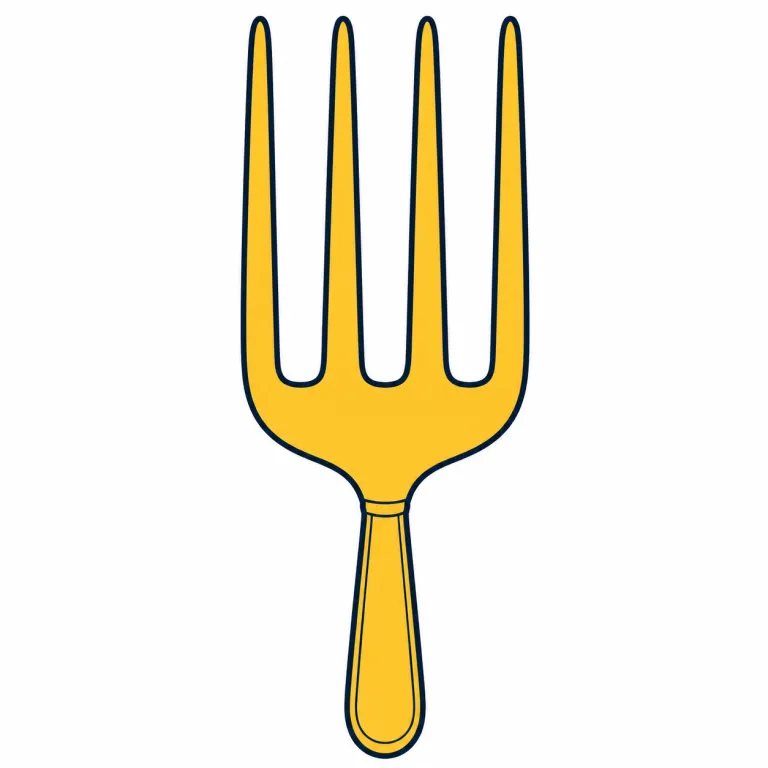
(フォークなどの)歯,(枝角の)枝
解説 Definition
tine は、フォークやくしなど先端が分かれた道具の一本の突起、または鹿などの角から枝分かれした一本を指す名詞です。一般的な「歯」よりも、細長く突き出た先端部分を意識した語で、形状や本数を説明するときによく使われます。
A tine is one of the pointed parts of a fork, comb, or similar tool. It can also mean one of the branches of an antler. The word is usually used for objects with several sharp or narrow points.
覚え方のコツ Memory Tip
tine は fork の説明で覚えると定着しやすい語です。fork 全体ではなく、その先に並ぶ一本一本が tine。comb の歯や deer antler の枝角にも広がるので、先端から細く突き出た一本という共通イメージでまとめるとよいです。spike はとがった一本、tooth は一般的な歯で、tine は道具や角の突き出た歯に寄る語。four-tined fork のように本数表現とも相性がよいです。
Think of a fork: the whole thing is the `fork`, but each pointed part is a `tine`. The same idea can extend to similar pointed parts, like on a comb or on antlers. Remember it as one thin, projecting point, especially in phrases like `four-tined fork`.
例文
The deer had twelve tines on each of its massive antlers.
その鹿の大きな角には、それぞれ12本の枝があった。
Each tine of the fork was perfectly aligned and sharp.
フォークの歯は一本一本がきれいにそろい、鋭かった。
The buck's antlers grew multiple tines during the autumn season.
その雄鹿の角には、秋の間にいくつもの枝が伸びた。
tine の類義語・関連語
紛らわしい語
tine の語源・成り立ち Etymology
tine は古英語 tind「とがった先・突起」に由来するゲルマン系の語。接頭辞などの分解はないが、核心は「細く突き出る先」で、フォークの歯も枝角の突起も同じ発想。古語 tind やドイツ語 Zinne も同根で、意味の芯が「尖り」だと見える。
"Tine" comes from Old English "tind," meaning a pointed tip or projection. It is a Germanic word with the central idea of something thin and sticking out. That is why it can refer both to the points of a fork and to pointed parts like antler branches. Related forms appear in older Germanic languages, including German "Zinne."
同じレベルの語彙をもっと
外部辞書で調べる
この英単語をクイズで覚えよう