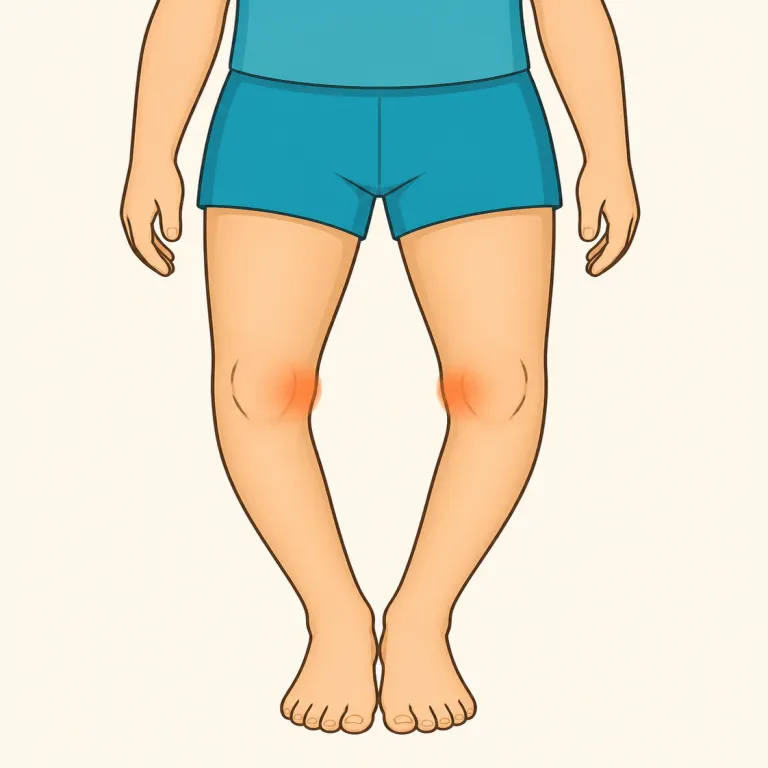
内反
解説 Definition
膝や足が内側に曲がった状態を示す医学用語。O脚の原因となる変形。
Varus is a medical term for a body part that bends or turns inward toward the center of the body. It is often used for the legs, knees, or feet when doctors describe bone or joint alignment. This word is mainly used in medicine, not in everyday conversation.
覚え方のコツ Memory Tip
整形外科では varus と valgus を必ず対で覚えると定着しやすいです。varus は「内反」で、膝・足首・肘などの先端が体の中心線へ寄る向き。単語単体で覚えるより、varus deformity, varus knee, hindfoot varus, cubitus varus のような定番表現ごと覚えると実戦で思い出しやすくなります。反対語は valgus「外反」。方向で迷ったら、医学では“先端部分が内側へ向くほうが varus”と軸で判断すると混乱しません。O脚文脈でもこの整理で結びつけると記憶に残ります。
Learn `varus` together with its opposite, `valgus`. In medical English, these two are a pair, so it is easier to remember by contrast than alone. Also memorize common phrases like `varus knee` or `varus deformity`, because this word often appears in set expressions.
例文
The orthopedic surgeon diagnosed the patient with a varus deformity of the knee.
整形外科医は、患者の膝に内反変形があると診断しました。
Varus alignment of the legs can lead to increased stress on the inner knee joint.
脚の内反アライメントは、膝関節内側への負荷増加につながることがあります。
Corrective braces are sometimes used to address varus malalignment in young children.
矯正装具は、幼児の内反変形に対処するために使用されることがあります。
varus の類義語・関連語
対義語
varus の語源・成り立ち Etymology
varus はラテン語 varus「曲がった・ねじれた」に由来し、医学では四肢が内向きに反る状態を表す。分解しにくい語だが、同根の prevaricate や varicose にも「まっすぐでない」感覚が残り、形のゆがみが意味の核だと見える。
Varus comes from Latin varus, meaning bent, crooked, or turned inward. In medical Latin and later English, it was used for a condition where a limb or joint bends inward. The central idea has always been deviation from a straight line. A similar sense of twisting or irregular form appears in varicose.
同じレベルの語彙をもっと
外部辞書で調べる
この英単語をクイズで覚えよう