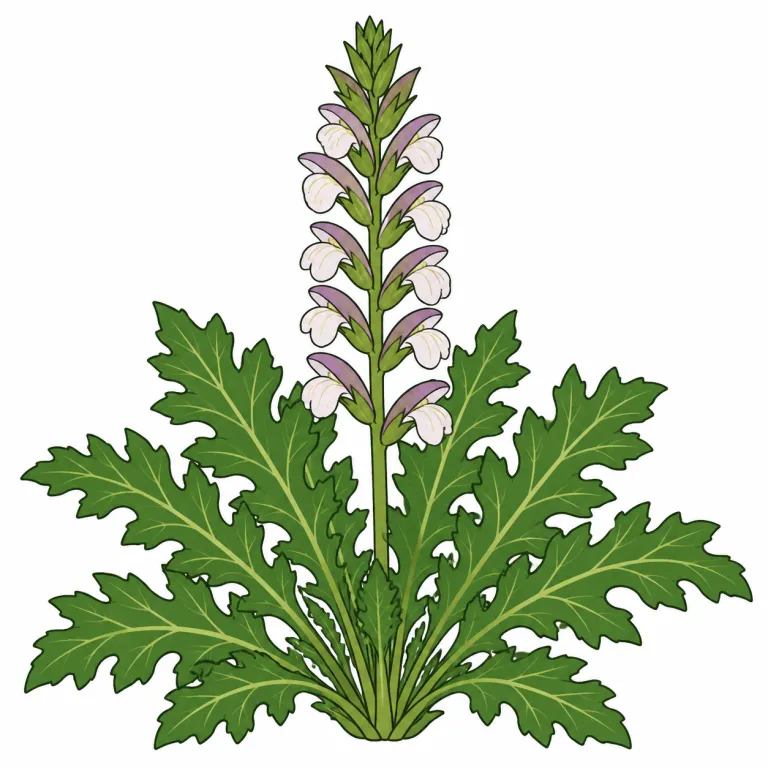
ハアザミ、アカンサス模様
解説 Definition
トゲのある葉をもつ植物ハアザミ、またはその葉を図案化した装飾文様を指す名詞。古典建築では柱頭や彫刻のモチーフとしてよく使われ、特にギリシャ・ローマ建築やコリント式の装飾を説明するときによく現れる。
Acanthus is a type of plant with large, deeply cut leaves. The word is also used in art and architecture for a leaf pattern based on this plant, especially in classical decoration.
覚え方のコツ Memory Tip
rose や lily のような日常的な植物名ではなく、acanthus は「美術・建築で出会う教養語」として箱分けすると覚えやすい。見たらまず「ギザギザで先のとがった葉」、次に「その葉を図案化した古典装飾」の2段で思い出す。特に Corinthian column の柱頭に付く葉飾りの代表格として固定すると強い。plant の語としてだけでなく、architecture / ornament / motif / carved leaves と一緒に出やすい語だと覚えると、文脈から意味を回収しやすい。
Treat `acanthus` as a culture word, not an everyday plant word like `rose` or `lily`. Picture sharp, jagged leaves first, then picture those leaves carved as a classical pattern on buildings. It often appears with `Corinthian column`, `ornament`, `motif`, or `carved leaves`.
例文
Acanthus leaves adorned the capital of the column.
アカンサスの葉の模様が柱の柱頭を飾っていた。
The acanthus scroll is a classical design element.
アカンサスの渦巻き文様は古典的な装飾要素だ。
Acanthus patterns are seen in ancient architecture.
アカンサス模様は古代建築によく見られる。
acanthus の語源・成り立ち Etymology
ギリシャ語 akanthos がラテン語 acanthus を経て入った語で、akē「先・とげ」+ anthos「花」と解され、刺のある葉をもつ植物名でした。葉のぎざぎざした鋭さを見ると語の核が「とげ」だと納得しやすく、acantha や acantho- も同じ語根を受け継ぎます。
Acanthus came from Greek akanthos through Latin acanthus. The Greek word is connected with the idea of a sharp point or thorn, which matches the plant's jagged, pointed leaves. The name first referred to the thorny-looking plant itself, and later it was also used in art and architecture for leaf patterns based on it. Related forms include acantha and the combining form acantho-.
同じレベルの語彙をもっと
外部辞書で調べる
この英単語をクイズで覚えよう