主動筋、作動筋
noun 名詞解剖学では、ある動作を起こすために収縮する筋肉を指し、日本語では「主動筋」と呼ぶ。反対方向に働く antagonist(拮抗筋)と対にして説明されることが多く、薬理学の「受容体作動薬」とは別の語義である。
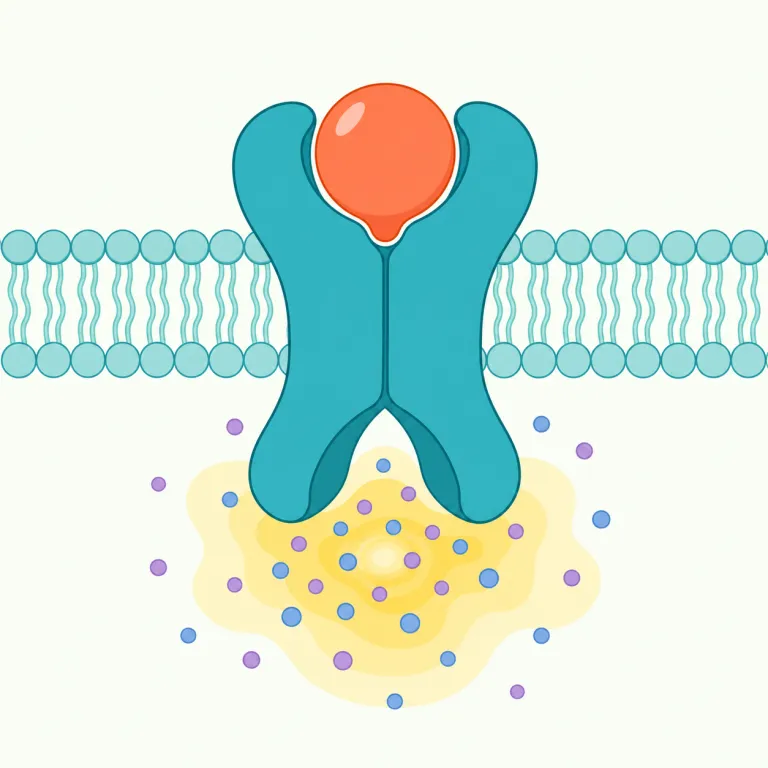
生物学的受容体に結合して生理的反応を引き起こす物質を指します。薬学や神経生物学で使われる専門用語です。
An agonist is a substance that starts a reaction in the body by activating a receptor. This word is mainly used in medicine, biology, and pharmacology. It is the opposite of an antagonist, which blocks that reaction.
agonist は antagonist とセットで覚えるのが最短です。antagonist が受容体の働きを妨げたり打ち消したりする側なら、agonist は逆に受容体に結合して反応を起こす側。語尾 -ist は「〜するもの・人」なので、「作用を起こす担当」と置くと定着しやすいです。薬理では receptor, activate, response と一緒に出やすく、full agonist / partial agonist の形でも頻出。まず『効かせる側』という位置づけを固定すると混同しにくくなります。
Learn agonist together with antagonist. An antagonist blocks an action, but an agonist causes or activates it. The ending -ist can help you remember it as the “doer” that produces a response.
The agonist activates the receptor.
その作動薬は受容体を活性化させます。
This drug acts as an agonist in the brain.
この薬は脳で作動薬として機能します。
Binding of the agonist causes a cellular response.
作動薬が結合すると、細胞反応が起こります。
文脈によって、次の意味でも使われます。
解剖学では、ある動作を起こすために収縮する筋肉を指し、日本語では「主動筋」と呼ぶ。反対方向に働く antagonist(拮抗筋)と対にして説明されることが多く、薬理学の「受容体作動薬」とは別の語義である。
agonist はギリシャ語 agonistes「競技者・闘う人」から来て、語幹 agon は「試合・争い」です。だから薬理のアゴニストも、受容体に働きかけて反応を起こす「作用の担い手」と考えると腑に落ちます。agony や antagonist も同じ根です。
Agonist comes from Greek agonistes, meaning "competitor" or "fighter," based on agon, "contest" or "struggle." The word kept this sense of active struggle or action. In modern scientific use, an agonist is something that acts on a receptor and produces a response. Related words include agony and antagonist.
この英単語をクイズで覚えよう