競技、競争
noun 名詞古代ギリシャで行われた運動、音楽、詩などの公的な競技や、その競争そのものを指します。劇中で対立する登場人物が議論を交わす場面という既存語義より広く、勝者を決める実際の競技行事にも用いられます。
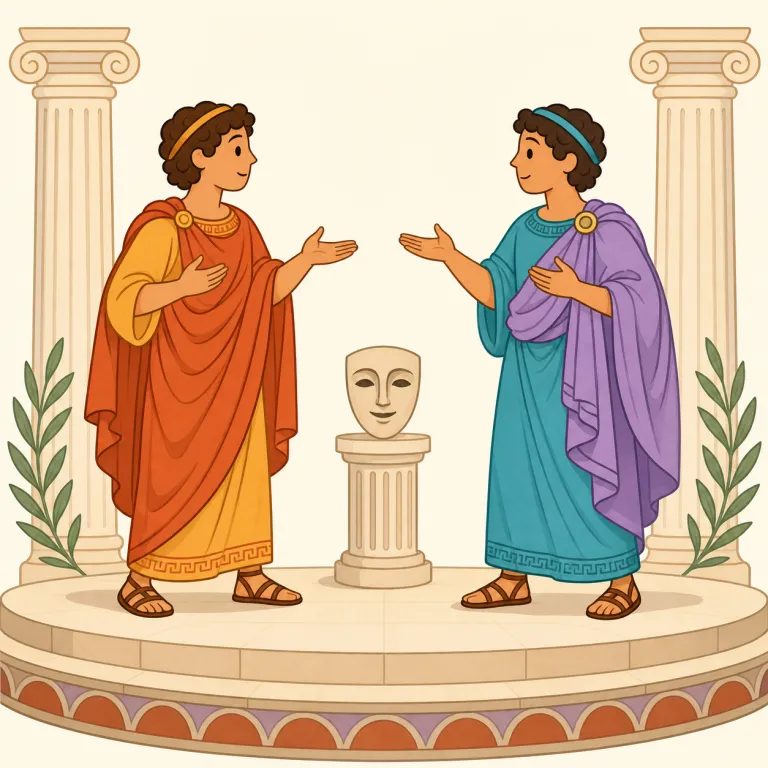
古代ギリシャ劇における二人の登場人物間の正式な議論や争いのこと。文学批評では物語の中心的な葛藤を表す概念として使われます。
An agon is a formal struggle, contest, or debate, especially in ancient Greek drama or literature. It often refers to a structured argument between opposing sides. This is a specialized literary term and is not common in everyday English.
`agon` は単なる「けんか」ではなく、舞台の中央で対立が正面衝突する“正式な論争場面”として覚えると残りやすいです。`antagonist`(敵役・対立者)や `agony`(激しい苦しみ)を知っていれば、「強い対立が生む緊張」の核を共有する語群だと整理できます。物語用語としては、静かな会話ではなく、主張と主張がぶつかって核心の葛藤が見える場面を指す、とイメージすると定着します。
Notice the `agon-` part also seen in words like `antagonist` and `agony`, which all suggest struggle or conflict. `Agon` is not just any argument, but a formal clash of opposing sides, especially in drama. Picture a tense scene where two strong positions meet in public.
In ancient Greek drama, the agon was a formal debate between two characters.
古代ギリシャ劇では、アゴンは2人の登場人物間の正式な議論でした。
Literary critics use the concept of agon to analyze the central conflict in a narrative.
文学批評家は、物語の中心的な葛藤を分析するためにアゴンという概念を用います。
The agon represents a fundamental struggle between opposing forces in storytelling.
アゴンは、物語における相反する力の根本的な争いを表します。
文脈によって、次の意味でも使われます。
古代ギリシャで行われた運動、音楽、詩などの公的な競技や、その競争そのものを指します。劇中で対立する登場人物が議論を交わす場面という既存語義より広く、勝者を決める実際の競技行事にも用いられます。
agon はラテン語を経てギリシャ語 agōn「競技・争い・集まり」にさかのぼる語です。分解の核は agon そのもので、古代劇では「人物同士が競り合う場」がそのまま正式な論争場面を指しました。agony や antagonist も同じ根です。
Agon comes from Greek agon, meaning "contest," "struggle," or "assembly," and it passed through Latin into English. In ancient Greek culture, it referred to formal competition, including debate and dramatic conflict. Because of that, the word later kept the sense of intense struggle; agony and antagonist come from the same root.
この英単語をクイズで覚えよう