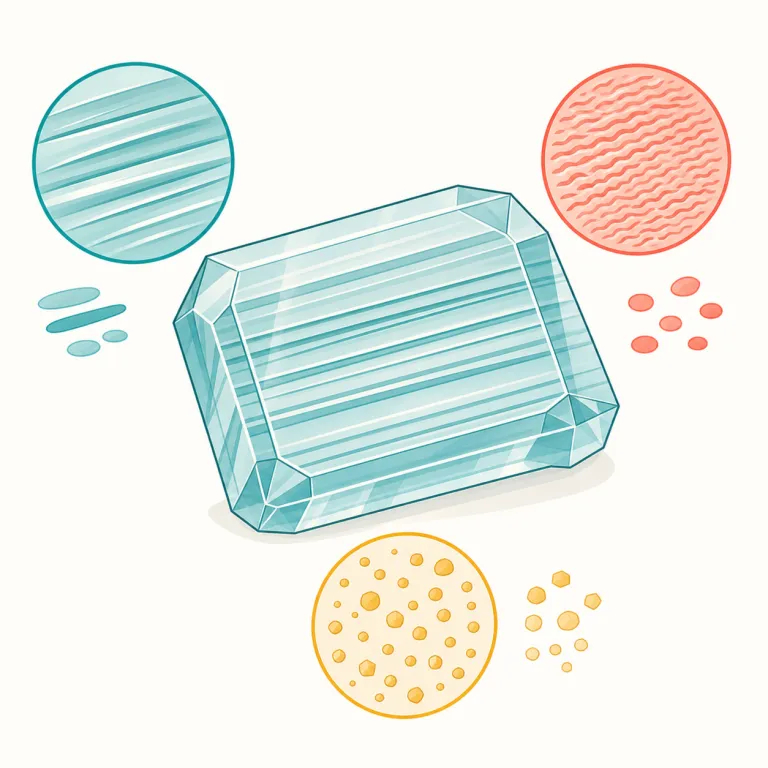
異方性
解説 Definition
物質の物理的性質が方向によって異なること。結晶構造などで見られる。
Anisotropy is the quality of being different in different directions. It is used in physics, engineering, and materials science when a material does not behave the same way in every direction. This is a technical term, opposite in idea to isotropy.
覚え方のコツ Memory Tip
まず isotropic(等方的)と対で覚えると定着しやすい語です。iso は「同じ」、an- が付くと「同じでない」になり、direction-dependent(方向依存の)という説明と結びつけると、「向きが変わると性質も変わる」が自然に出ます。材料・結晶・磁性の文脈でよく現れ、anisotropic material, magnetic anisotropy のような形で見かけます。uniform in all directions ではなく、方向ごとの差がある状態だと押さえると isotropic と混同しにくくなります。
Best learned as the opposite of "isotropy" or "isotropic." "Iso-" means same, so "anisotropy" means not the same in every direction. Think: if you turn the material and its behavior changes, that is anisotropy.
例文
The anisotropy of the crystal affects how light passes through it.
結晶の異方性は光がその中を通過する仕方に影響する。
Researchers measured the magnetic anisotropy of the newly synthesized material.
研究者たちは新しく合成された物質の磁気異方性を測定した。
Anisotropy in wood means it is stronger along the grain than across it.
木材の異方性は、木目に沿った方向がそれに直交する方向よりも強いことを意味する。
anisotropy の類義語・関連語
anisotropy の語源・成り立ち Etymology
anisotropy はギリシャ語 an-「ない」+ iso-「等しい」+ -tropy「向き・転じ方」から成る語です。isotropic や tropism と並べると、どの方向でも同じではなく、向きによって性質が変わることが「異方性」の核心だと分かります。
Anisotropy comes from Greek an- "not," iso- "equal," and a form related to turning or direction, seen in -tropy. It was formed to express the idea of something not being the same in every direction. The meaning developed in science to describe cases where properties change depending on orientation. Related words include isotropic and tropism.
同じレベルの語彙をもっと
外部辞書で調べる
この英単語をクイズで覚えよう