異方性の
解説 Definition
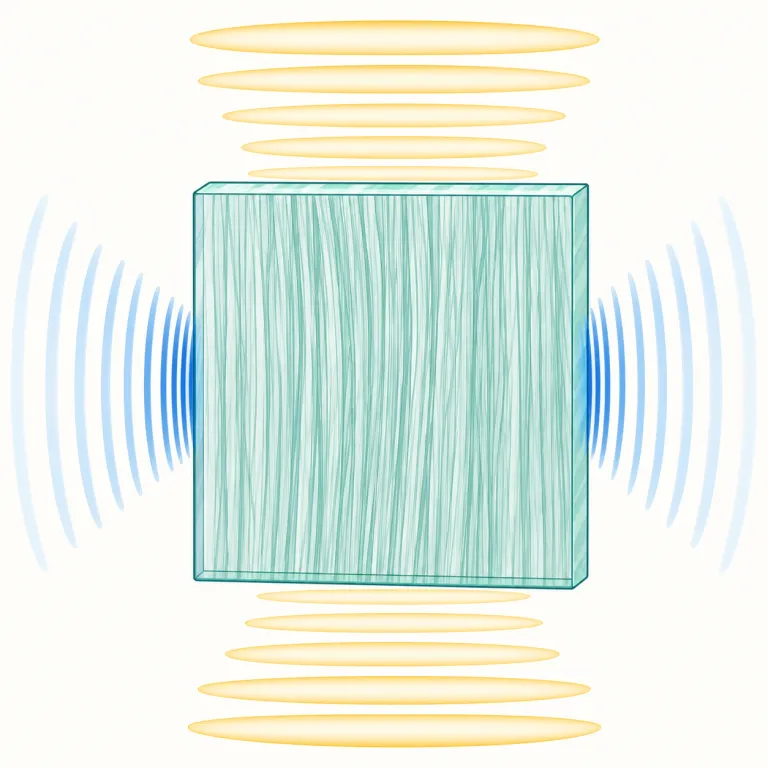
方向によって物理的性質が異なること。結晶や材料科学で用いられる専門用語。
Anisotropic describes a material or substance that has different properties in different directions. For example, it may let heat, light, or force pass more easily one way than another. This word is used mainly in physics, chemistry, and materials science.
覚え方のコツ Memory Tip
まず反対語の isotropic とセットで覚えるのが近道です。iso- は isometric などでも見る「同じ」の感覚なので、isotropic は「どの方向でも同じ」。そこに否定寄りの an- が付いた anisotropic は「方向で同じでない」と押さえると崩れません。材料・結晶の説明で anisotropic material, anisotropic conductivity のように出やすく、「向きを変えると性質も変わる」場面を思い浮かべると定着します。
Notice the contrast with `isotropic`, where everything is the same in all directions. `Anisotropic` means "not isotropic," so the key memory hook is direction. Think of crystals or materials that act differently depending on which way you test them.
例文
The crystal exhibited anisotropic properties, conducting heat differently along each axis.
その結晶は異方性を示し、軸によって熱の伝わり方が異なっていた。
Understanding anisotropic behavior is essential for designing advanced composite materials.
異方性の挙動を理解することは、先進的な複合材料を設計する上で不可欠です。
The geologist noted the anisotropic nature of the rock formation, which affected seismic wave propagation.
地質学者は、地震波の伝播に影響を与える岩層の異方性に注目しました。
anisotropic の類義語・関連語
anisotropic の語源・成り立ち Etymology
anisotropic はギリシャ語 anisos(不等な)+ tropos(向き・転回)が土台で、「方向によって性質が違う」が原義です。isotropic や trope も同系で、同じ対象でも向きが変わると振る舞いが変わるという感覚が、そのまま「異方性」につながります。
Anisotropic comes from Greek anisos, meaning "unequal," and tropos, meaning "turn" or "direction." It was formed to express the idea that something changes depending on which way it is turned or viewed. It is related to isotropic and also more distantly to trope, which comes from the same Greek root for turning.
同じレベルの語彙をもっと
外部辞書で調べる
この英単語をクイズで覚えよう