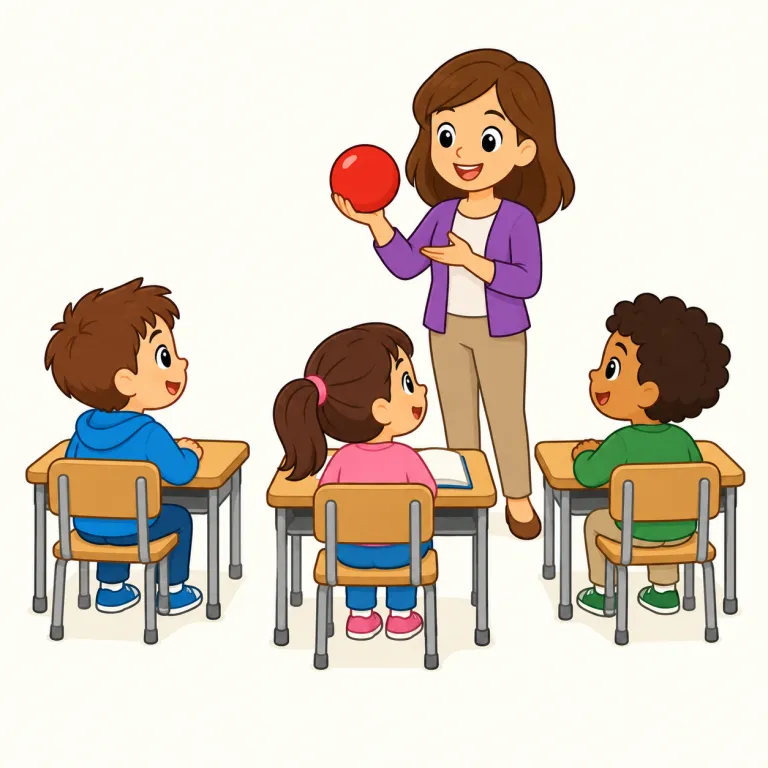
出席
解説 Definition
attending は attend(出席する、参加する)の現在分詞・動名詞です。「出席していること」「参加していること」を表し、授業、会議、式典などに実際に行く場合に使います。
Attending is the present participle or gerund of attend. It means being present at, going to, or taking part in a class, meeting, ceremony, or other organized event, whether physically or online.
覚え方のコツ Memory Tip
attend「出席する」に -ing を付けた現在分詞・動名詞で、末尾の子音を重ねず attending となる。-ing 部分は /ɪŋ/。be attending a class のように進行中の参加を表し、Attending the event のように主語にすれば「出席すること」。単に注意を向ける attend to とは区別する。
Start with attend, meaning “go to and be present at an organized event,” and add -ing without doubling the final consonant: attend becomes attending. The ending is pronounced /ɪŋ/. Use be attending for an activity in progress, as in “She is attending the meeting,” and use attending as a gerund when the activity itself is the subject, as in “Attending the event was useful.” Remember the common patterns attend a class, attend a meeting, and attend an event. Do not confuse this use with attend to something, which means to deal with it or give it attention.
例文
I am attending a class today.
私は今日、授業に出席しています。
She is attending the meeting online.
彼女はオンラインで会議に出席しています。
Attending the event was useful for him.
そのイベントに出席したことは彼にとって役立ちました。
attending の類義語・関連語
対義語
紛らわしい語
attending の語源・成り立ち Etymology
ラテン語 attendere(~に心を向ける)から。ad-(~へ)+ tendere(伸ばす)の合成で、「注意を向けて伸ばす」が原義。関連語: attention(注意)、tend(傾く)。心を向ける→その場にいる→出席する、と意味が発展した。
Attending is formed from attend plus the participial suffix -ing. Attend comes through Old French from Latin attendere, composed of ad-, “toward,” and tendere, “to stretch.” Its earliest idea was directing one’s mind or attention toward something. From paying attention, the verb developed the sense of being present at an occasion or accompanying someone. Attention and tendency share the Latin root tendere, though their modern meanings and uses differ.
同じレベルの語彙をもっと
外部辞書で調べる
この英単語をクイズで覚えよう