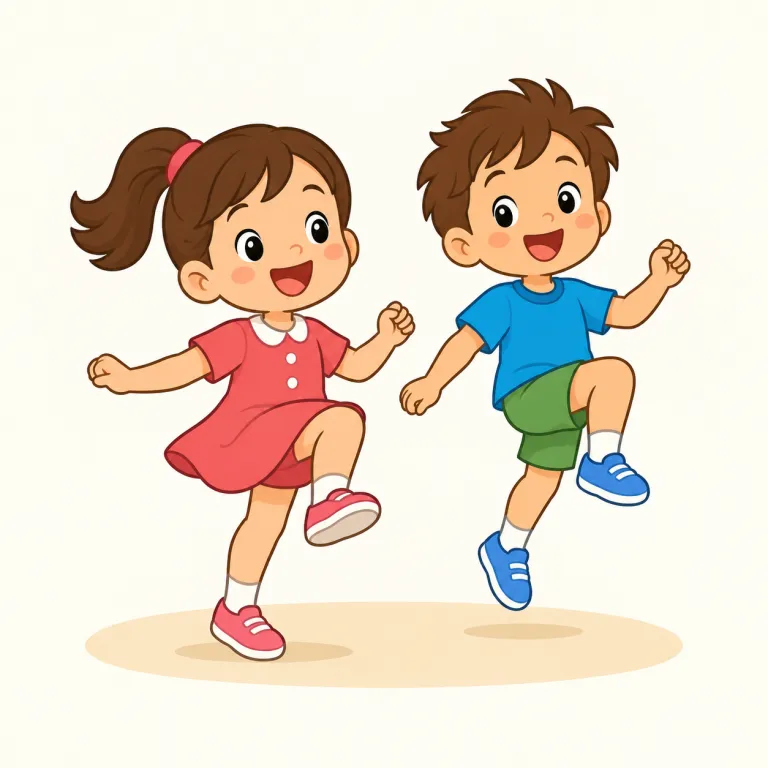
スキップ
解説 Definition
skipping は skip の現在分詞・動名詞です。「軽く跳ねながら進む」「縄跳びをする」という動作や、食事・章・手順などを「飛ばす、抜かす」ことを表します。
The present participle or gerund of “skip.” It can mean moving with light, alternating steps and hops, jumping over a rope repeatedly, or leaving out something expected, such as a meal, chapter, turn, or step.
覚え方のコツ Memory Tip
原形 skip に -ing を付ける際、短母音+子音字で終わるため p を重ねて skipping となります。軽く跳ねて進む動作を基本イメージにすると、障害物や不要な部分を「飛び越す」ことから、skip breakfast、skip a chapter のような「抜かす」用法にも結び付けられます。
The final p in skip is doubled before -ing: skip becomes skipping. Picture someone moving with light steps and hops. That idea of passing over something also helps explain combinations such as skipping breakfast, skipping a chapter, and skipping important steps.
例文
Skipping breakfast is not a good habit.
朝食を抜くのはよい習慣ではありません。
She is skipping the first chapter.
彼女は第1章を飛ばしています。
The children were skipping across the playground.
子どもたちは運動場を軽く跳ねながら進んでいました。
skipping の類義語・関連語
skipping の語源・成り立ち Etymology
skipping は skip に -ing を付けた形です。skip は中英語 skippen にさかのぼり、スカンジナビア諸語との関連が指摘されています。もとは軽く跳ぶ動作を表し、そこから食事・文章・手順などを飛ばす意味にも発展しました。
Skipping is formed from skip plus the participial ending -ing, with the final p doubled according to the usual spelling rule. Skip entered English through Middle English skippen and is associated with Scandinavian words for leaping or moving quickly. The physical idea of jumping over something later developed into the figurative sense of omitting a meal, passage, turn, or stage.
同じレベルの語彙をもっと
外部辞書で調べる
この英単語をクイズで覚えよう