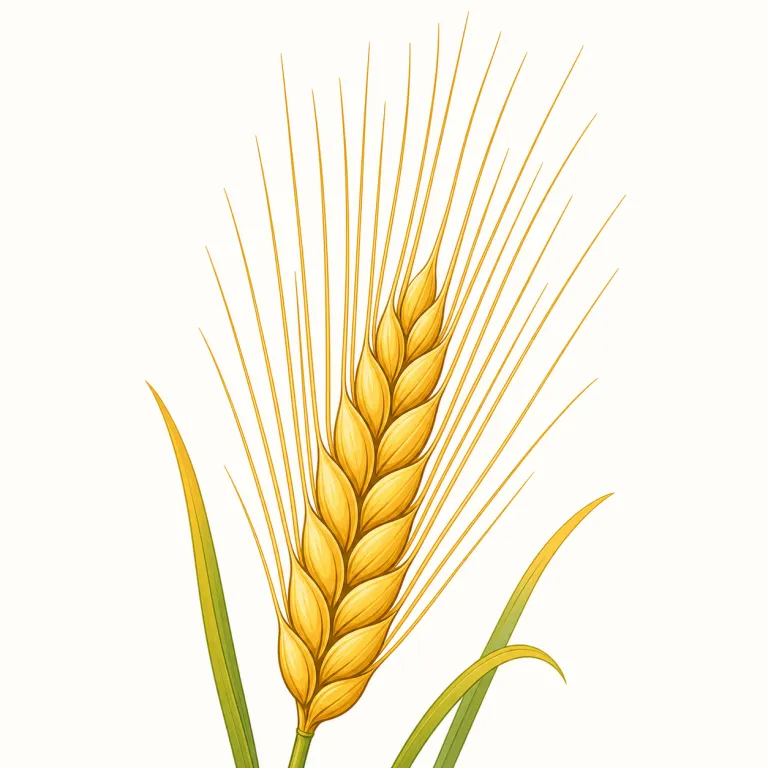
芒
解説 Definition
穀物や草などの穂の先端に生える細長い毛状の突起。麦やイネなどの穀物に見られます。
An awn is a thin, stiff, hair-like part that grows from some kinds of grass or grain. It is often seen on plants such as barley and wheat. The word is mainly used in botany and farming.
覚え方のコツ Memory Tip
麦やイネの穂を思い浮かべ、「先端からピンと伸びる細いひげ」が awn。植物名というより parts of a plant の一部名称として覚えると定着しやすいです。形の近い thorn は木のとげ、hair は毛で別物。awned(芒のある)、awnless(芒のない)も一緒に押さえると語形で記憶がつながります。見た目の特徴をそのまま指す、観察語彙だと考えるのがコツです。
Remember `awn` by picturing the thin, stiff bristles that stick out from grain heads like wheat or rice. It is a plant-part word, so tie it to careful observation of shape, not to general words like `hair`. You can also connect it with `awned` and `awnless` to make the word family easier to remember.
例文
The wheat awn projected from the head of the plant.
小麦の芒は穂から突き出していました。
Barley has distinctive long awns that make it easily recognizable.
大麦には特徴的な長い芒があり、見分けやすくなっています。
The awn protrudes from the developing seed head.
芒は発育中の穂から突き出ています。
awn の類義語・関連語
類義語
紛らわしい語
awn の語源・成り立ち Etymology
awnは古ノルド語agnや古英語egeneにさかのぼる古いゲルマン系の語で、麦の穂先の細い突起を指しました。接頭辞などに分ける語ではありませんが、派生語 awned や awnless が同じ根を示します。『実を守る細いひげ』という原像をつかむと、芒の形と意味が結びつきます。
Awn is an old Germanic word, found in forms in Old English and Old Norse. It was used for the thin bristle on grain heads, and it does not come from a clear prefix-plus-root structure. Later forms like awned and awnless show the same old root still in use.
同じレベルの語彙をもっと
外部辞書で調べる
この英単語をクイズで覚えよう