穂
noun 名詞小麦やトウモロコシなどで、穀粒がまとまって付いている部分を指します。an ear of corn や ears of wheat のように数えられる名詞として使われ、聴覚器官の耳とは別語義です。
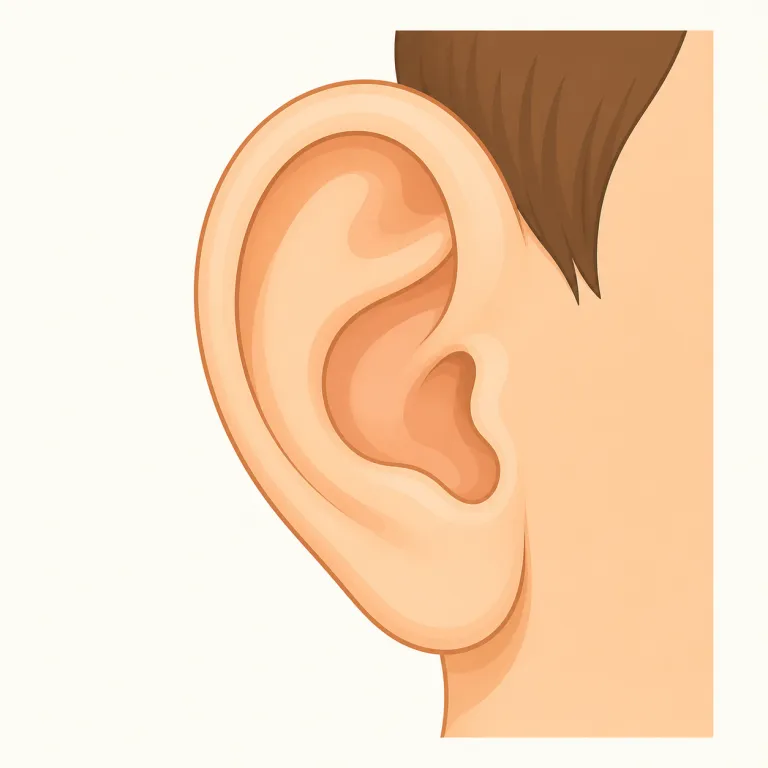
ear は英検5級・英検6級レベルの英単語で、「耳」という意味があります。発音記号は /ˈɪr/ です。
人や動物の頭の両側にある、音を聞いたり方向を感じ取ったりする器官を指します。外から見える部分だけでなく、内側の構造も含めて聴覚や平衡感覚に関わります。会話では「耳にする」のように、聞くこと全般を表す比喩にも使われます。
An ear is the part of the body used for hearing, located on each side of the head. It also helps with balance. The word is mainly used for the physical body part, but it can also relate to the ability to notice sounds carefully.
hear(聞こえる)を知っていれば、その“聞くための器官”が ear。つづりは短いのに発音は /ɪr/ で、hear から h を外した形として結びつけると残りやすい。listen は「耳を傾ける」動作、ear はその部位そのもの。さらに by ear(耳で聞いて、楽譜なしで), have a good ear for music(音感がよい), keep an ear out(注意して聞く)のように、「耳」から「聞き取る力・注意」へ意味が広がると押さえると定着しやすい。穀物の ear「穂」は別語源なので、身体の耳とは切り分けて覚えるとよい。
If you know `hear`, then `ear` is the body part that makes hearing possible. The spelling is almost `hear` without the `h`, which is a simple memory hook. Also remember phrases like `by ear` and `have a good ear for music`.
My ear hurts.
私の耳が痛い。
I touch my ear.
私は自分の耳を触る。
His ears are big.
彼の耳は大きい。
この語をはじめて出題された 38人 のうち 32人 が正解しました(84%)。
えいたんごクイズの回答から集計した独自データです。1人につき最初に出題されたときの1回だけを数えており、復習や2回目以降の回答、「わからない」と時間切れは含みません。 集計時点は 2026年9月19日 です。
文脈によって、次の意味でも使われます。
小麦やトウモロコシなどで、穀粒がまとまって付いている部分を指します。an ear of corn や ears of wheat のように数えられる名詞として使われ、聴覚器官の耳とは別語義です。
音楽・発音・言語などの音を正確に聞き分け、理解したり再現したりする能力を表します。have a good ear for music のように、通例 ear for の形で対象を示します。
身体の ear「耳」は古英語 eare に由来し、ドイツ語 Ohr などと同じゲルマン系の語です。さらに印欧祖語の「耳」を表す語根にさかのぼるとされ、ラテン語 auris「耳」などとも遠い親類です。穀物の ear「穂」とは別語源なので、ここでは音を聞く器官としての「耳」につながる語源として押さえるとよいです。
Ear meaning the body part comes from Old English eare, from an older Germanic word for "ear." It is related to German Ohr and ultimately to the Indo-European root *h₂ous-, which is also reflected in Latin auris. Ear meaning a head of grain is a different word with a separate origin.
この英単語をクイズで覚えよう