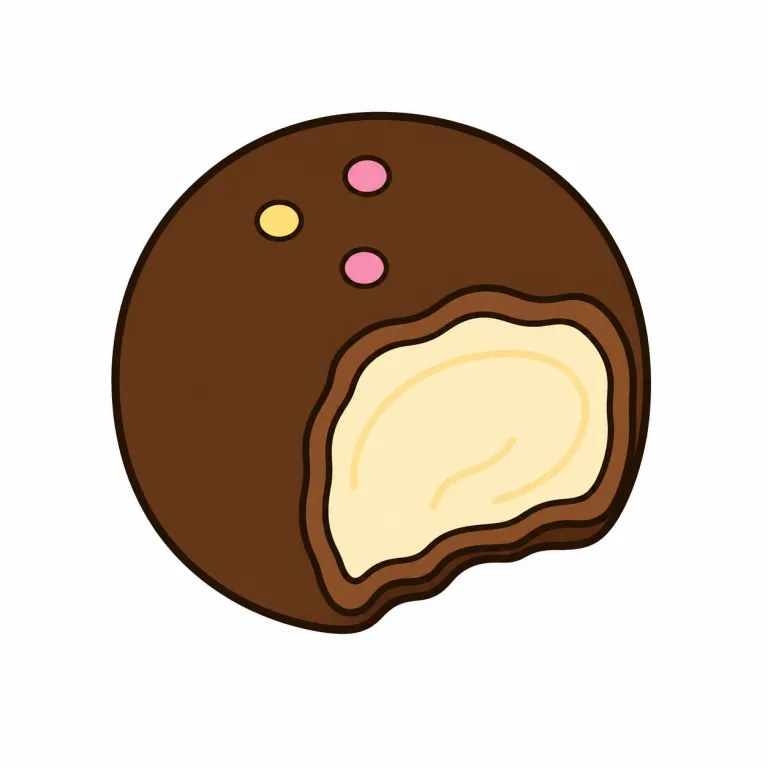
ひと口大の甘い菓子
解説 Definition
ひと口で食べられる小さな甘い菓子を指す名詞。チョコレートで包んだものや砂糖菓子、キャンディーなどを広く含み、箱入りで贈答用にされることも多い。文脈によっては特に上品な一粒菓子を表す。
A bonbon is a small sweet candy, often covered in chocolate or made with a soft filling. The word is usually used for bite-sized treats in boxes or gift assortments. In everyday use, it can sound a little old-fashioned or elegant.
覚え方のコツ Memory Tip
`candy` が駄菓子まで含む広い語なら、`bonbon` は「箱に入った、一粒ずつつまむ、見た目も上品な甘い菓子」を思い浮かべると定着しやすいです。`chocolate` よりも、ひと口サイズで贈答用にもなる小粒菓子という感じが強め。`bon-bon` と同じ音が2回続く形も、小さな粒が並ぶ感じと結びつけると覚えやすいです。チョコで包んだ一粒、砂糖菓子、詰め合わせのイメージで固定すると忘れにくくなります。
Think of `bonbon` as a more elegant picture than just `candy`: small sweets in a nice box, taken one by one. The repeated sound `bon-bon` feels like a row of little pieces. It often suggests a neat, gift-like sweet rather than everyday candy.
例文
The bonbons were elegantly wrapped in colored foil.
その小さな菓子は色とりどりのホイルで上品に包まれていた。
She offered guests a selection of fine bonbons after dinner.
彼女は夕食後、客に上質なボンボン菓子の詰め合わせを出した。
The chocolate bonbons melted delightfully on the tongue.
チョコレートのボンボンは舌の上でなめらかに溶けた。
bonbon の類義語・関連語
bonbon の語源・成り立ち Etymology
フランス語 bonbon から入り、bon「よい」を子どもっぽく重ねた形です。bon はラテン語 bonus「良い」に由来し、bonus・bounty と同根。「おいしいもの」をそのまま繰り返した感じが、甘い菓子の名にぴったりです。
Bonbon came into English from French bonbon, a playful repetition of bon, meaning "good." Bon comes from Latin bonus, also seen in English words like bonus and bounty. The repeated form first gave a childlike sense of "something nice," and then became the name of a sweet candy.
同じレベルの語彙をもっと
外部辞書で調べる
この英単語をクイズで覚えよう