capitalism
capitalism は英検2級・TOEFL 60・IELTS 5.5レベルの英単語で、「資本主義」という意味があります。発音記号は /ˈkæpɪtəˌlɪzəm/ です。
資本主義
解説 Definition
民間企業による経営と資本の投資によって成り立つ経済体制のことです。利益を目指す企業活動が中心になる仕組みです。
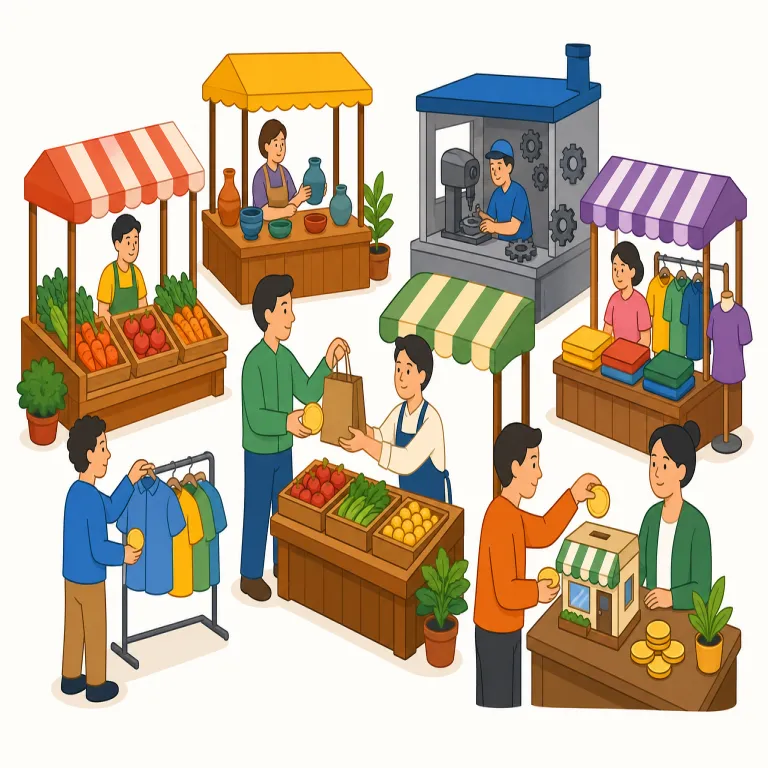
Capitalism is an economic system in which businesses and property are mainly owned by private people or companies, not by the government. In this system, people and companies produce and sell goods or services for profit in a market. The word is often used in economics, politics, and social debate.
覚え方のコツ Memory Tip
capitalism は、まず capital を「首都」ではなく business capital(事業資金・資本)の意味で結び付けると覚えやすいです。さらに -ism は socialism, Buddhism などと同じで「主義・体制」。つまり『capital が中心の仕組み』と取れば資本主義に直結します。socialism と対比して覚えると定着しやすく、private companies, profit, investment などの語と一緒に出やすい点も記憶フックになります。capital の多義性には注意。
For `capitalism`, remember that `capital` here means money for business, not a capital city. The ending `-ism` often means a system or idea, as in `socialism`. So you can remember it as a system centered on capital, profit, investment, and private companies.
例文
Capitalism encourages competition between businesses.
資本主義は企業間の競争を促進します。
Many countries use capitalism as their economic system.
多くの国が経済の仕組みに資本主義を取り入れている。
Some people say capitalism makes the rich richer.
資本主義は裕福な人をさらに裕福にするという意見もある。
capitalism の類義語・関連語
capitalism の語源・成り立ち Etymology
capitalism は capital「資本」+ -ism「主義」。capital はラテン語 caput「頭」にさかのぼり、もとは「主要なもの・元手」の感覚です。つまり“事業の頭になる元金を軸にする考え方”で、関連語に capital, captain があります。
Capitalism is made from capital and the suffix -ism. Capital comes from Latin caput, meaning "head," and it first carried the sense of something chief, main, or foundational. From that idea, capital came to mean wealth used as the main basis for business, and capitalism became the name for a system built around that. Related words include capital and captain.
同じレベルの語彙をもっと
英検2級の一覧へ →外部辞書で調べる
この英単語をクイズで覚えよう