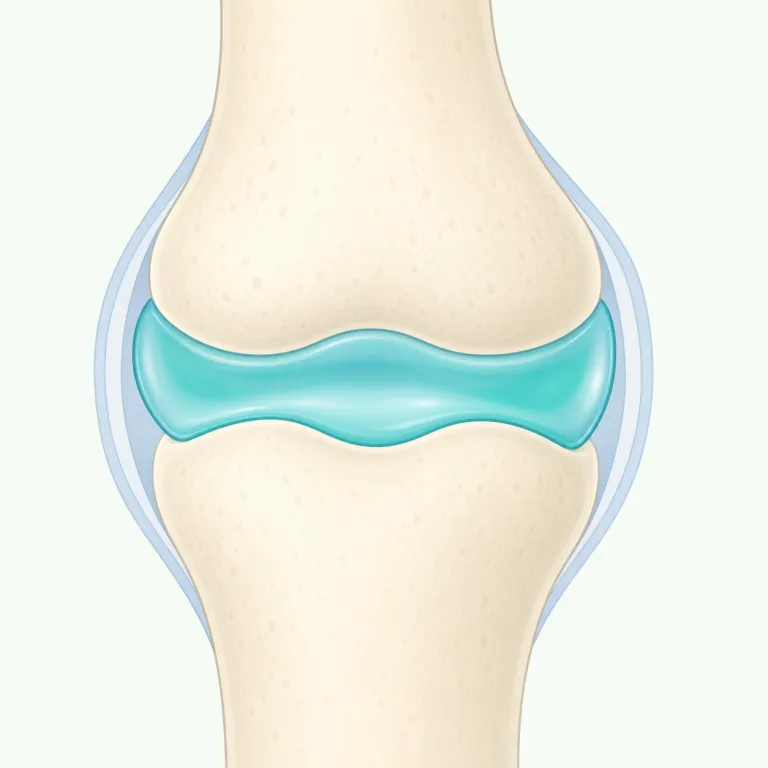
cartilage
cartilage は英検1級レベルの英単語で、「軟骨」という意味があります。発音記号は /ˈkɑːrtɪlɪdʒ/ です。
軟骨
解説 Definition
軟骨とは、骨よりも柔軟で弾力性がある結合組織です。脊椎動物の体内に広く存在し、関節の保護や形状の維持に役立ちます。耳や鼻、関節などに見られ、部位によって性質や見た目は異なります。
Cartilage is a strong but flexible body tissue found in places like the ears, nose, and joints. It supports parts of the body and helps bones move smoothly against each other. It is softer than bone but firmer than muscle.
覚え方のコツ Memory Tip
bone ほど硬くないが、skin や muscle でもない「形を保ちつつ曲がる部分」をまとめて思い出すと定着しやすい語。ear や nose の“ぐにっとする芯”、joint cartilage(関節軟骨)、cartilage damage のような形でよく出る。体のクッション材という像を持つとよい。ligament(靱帯)や tendon(腱)は細い“つなぐ組織”で、cartilage は面やかたまりとして存在する“弾力ある組織”だと区別すると混同しにくい。
Remember the soft but firm parts of the body: your ear, nose, and the smooth cushion in joints. That image helps more than thinking of a hard bone. Also keep it separate from `ligament` and `tendon`, which are more like connecting bands, not soft support material.
例文
Cartilage provides cushioning between the bones in a joint.
軟骨は関節の中で骨と骨の間のクッションの役割を果たします。
The cartilage in the ear allows it to bend and flex.
耳の軟骨のおかげで、耳を曲げたりしならせたりすることができます。
Cartilage injuries can take longer to heal than bone fractures.
軟骨の損傷は骨折よりも治癒に長い時間がかかる可能性があります。
cartilage の類義語・関連語
cartilage の語源・成り立ち Etymology
cartilage はフランス語を経てラテン語 cartilago「軟骨」に由来し、語幹 cartilagin- が軟骨を表します。cartilaginous も同根で、骨ほど硬くない中間の組織という原感覚をつかむと、意味がすっと入ります。
Cartilage came into English through French from Latin cartilago, meaning "gristle" or "cartilage." Its stem cartilagin- also appears in cartilaginous. The word kept the idea of a softer body material that is not as hard as bone.
同じレベルの語彙をもっと
英検1級の一覧へ →外部辞書で調べる
この英単語をクイズで覚えよう