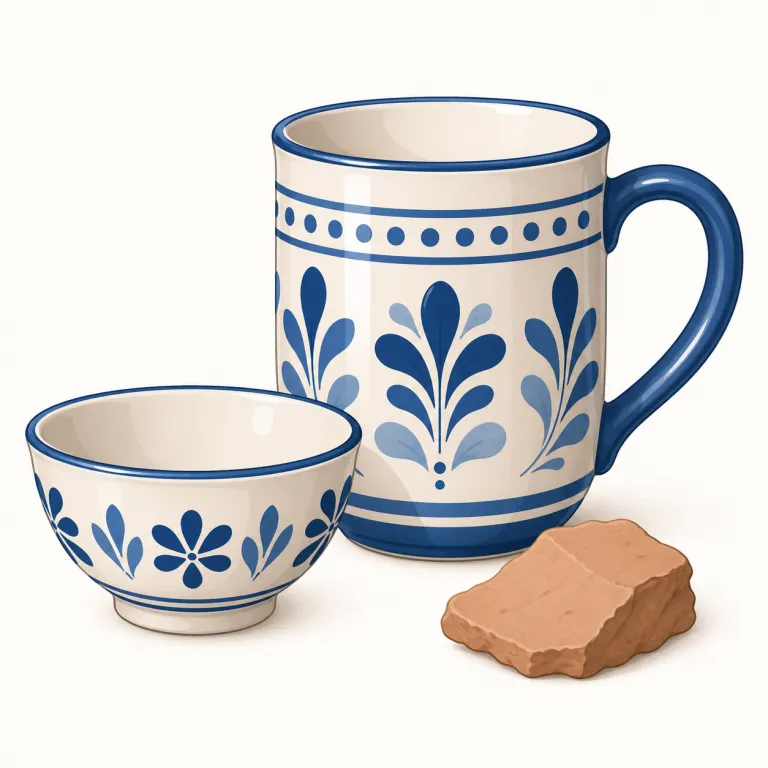
ceramic
ceramic はTOEIC 860・TOEFL 80・IELTS 6.5レベルの英単語で、「陶磁器の、陶製の」という意味があります。発音記号は /səˈræmɪk/ です。
陶磁器の、陶製の
解説 Definition
粘土などの無機材料を高温で焼いて作る陶磁器や、その製品に関することを表す形容詞。皿・タイル・容器などが陶器や磁器でできていることを述べるほか、陶芸・窯業・材料分野で陶磁器製である性質を示すときにも使う。
Ceramic describes something made from clay or a similar material that is shaped and then hardened by heat. It is used for things like dishes, tiles, and art objects. The word is common in design, manufacturing, and everyday household contexts.
覚え方のコツ Memory Tip
ceramic はまず ceramics「陶芸・陶磁器製品」とまとめて覚えると定着しやすい語。使い方は ceramic cup, ceramic tile, ceramic bowl のように、物の名前の前で「素材が陶器・磁器製の」と示すのが基本。metal, wooden, plastic などと同じ“材料ラベル”だと思うと整理しやすい。特に tile や mug との組み合わせが頻出。ガラス製や金属製ではなく、焼き物の硬さ・割れやすさを持つ物を思い浮かべると意味がぶれにくい。
Remember `ceramic` as a material label, like `metal`, `wooden`, or `plastic`. It often comes before everyday objects: `ceramic cup`, `ceramic tile`, `ceramic bowl`. Picture something hard and made by firing, but also easy to break.
例文
The museum displayed ancient ceramic vessels.
博物館には古代の陶製の器が展示されていた。
She crafted beautiful ceramic bowls using traditional techniques.
彼女は伝統的な技法を使って美しい陶製の鉢を作った。
Ceramic tiles cover the kitchen floor.
台所の床は陶磁器製のタイルで覆われている。
ceramic の語源・成り立ち Etymology
ceramic はギリシャ語 keramikos「陶器の」にさかのぼり、元は keramos「陶土・壺」です。さらに先は前ギリシャ語系とされ不詳ですが、「土を焼いて器にするもの」という感覚が今の意味に直結します。関連語は ceramics, ceramist。
Ceramic comes from Greek keramikos, meaning "of pottery," from keramos, meaning "potter's clay" or "pottery." Its deeper origin is uncertain, but it has long been connected with clay shaped and fired by heat. The meaning stayed close to that original idea and came to describe pottery and similar materials. Related words include ceramics and ceramist.
同じレベルの語彙をもっと
TOEIC 860の一覧へ →外部辞書で調べる
この英単語をクイズで覚えよう