
意味一覧 (3件)
特徴づけ
解説 Definition
人物や物事の特徴や性質を明確に示すこと。文学作品で登場人物の個性を表現する方法です。
Characterization is the way someone or something is described, especially in writing, film, or discussion. It shows the main qualities, nature, or image of a person, group, or thing. It can also mean how a character is developed in a story.
覚え方のコツ Memory Tip
character が分かれば核はつかみやすい語です。characterize は「特徴をはっきり示す」、-ation は「その行為・結果」なので、characterization は「特徴を示して、その対象らしさを形にすること」。literary characterization なら登場人物の描き分け、material characterization なら材料の特性評価。単なる description よりも「他と区別できる特徴を押し出す語」という感触で覚えると、長い形でも分解して思い出せます。
Start with `character`, the part that shows what makes someone or something special. Add `-ization`, which often means a process or result, and you get the idea of building a clear picture through key features. Think: not just describing, but showing the traits that make it different.
例文
The author's characterization of the villain was compelling and realistic.
著者の悪役の特徴付けは説得力があり現実的だった。
Good characterization makes the reader care about the protagonist.
優れた特徴付けは読者が主人公を気にかけるようにします。
The characterization of women in this film is problematic.
この映画の女性の描き方には問題がある。
人物描写
(意味 2)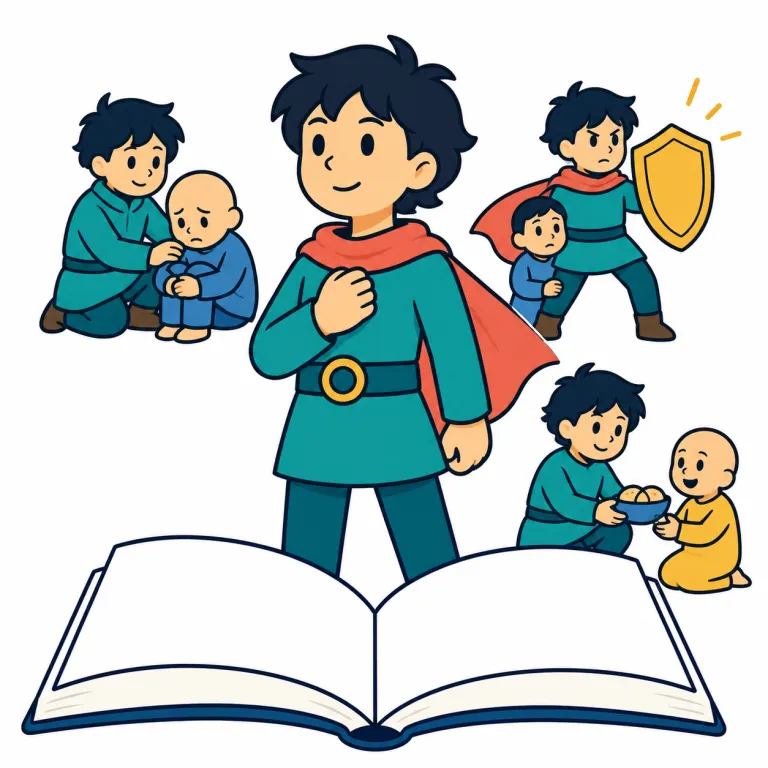
解説 Definition
文学・映画・演劇の文脈で、登場人物がどんな性格や価値観をもつ人物として描かれているかを示す名詞。行動・せりふ・他者との関係を通じて人物像を立ち上げる表現を指し、作品分析では人物造形の良し悪しを論じるときによく使う。
The way a story, film, or play presents the personalities and values of its fictional people. Their actions, dialogue, and relationships help the audience understand what they are like.
例文
The film uses brief flashbacks to deepen the characterization of its main character.
その映画は短い回想場面を使って、主人公の人物描写に深みを与えている。
Careful characterization makes even the minor roles feel like real people.
丁寧な人物描写によって、端役でさえ実在の人物のように感じられる。
In our essay, we examined how dialogue contributes to characterization.
私たちはレポートで、会話が人物描写にどう役立っているかを考察した。
人物描写
(意味 3)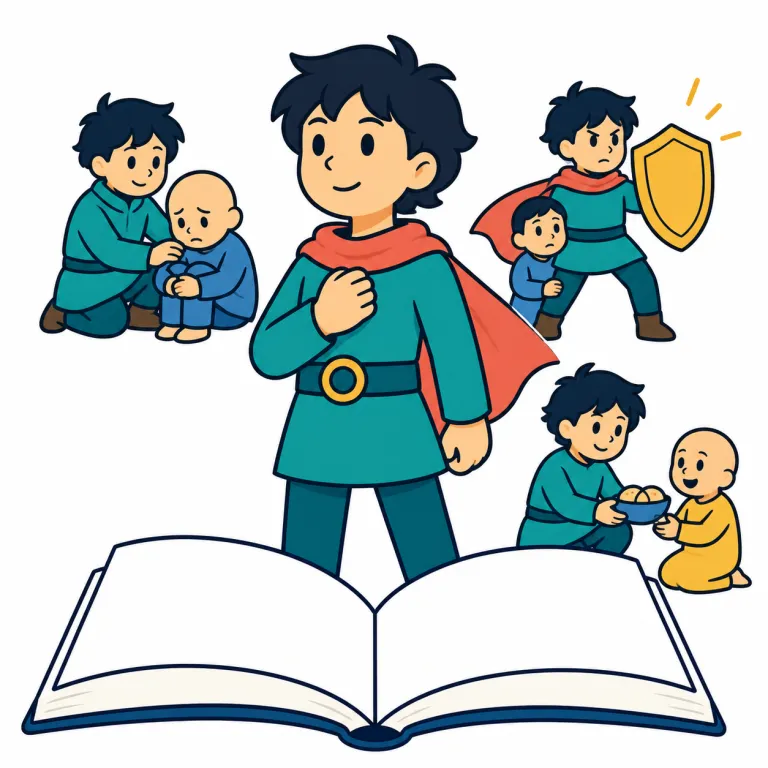
解説 Definition
文学・映画・演劇の文脈で、登場人物がどんな性格や価値観をもつ人物として描かれているかを示す名詞。行動・せりふ・他者との関係を通じて人物像を立ち上げる表現を指し、作品分析では人物造形の良し悪しを論じるときによく使う。
This is the way a story, film, or play presents the personalities and values of its fictional people. Their actions, dialogue, and relationships help the audience understand what they are like.
例文
The playwright reveals the prince's doubts through careful characterization.
その劇作家は、丁寧な人物描写を通して王子の迷いを明らかにしている。
Strong characterization makes even the minor figures feel fully developed.
優れた人物描写によって、脇役でさえ十分に造形された人物に感じられる。
Rather than explaining her motives directly, the film builds her characterization through small gestures.
その映画は彼女の動機を直接説明せず、ささいなしぐさを通して人物像を作り上げている。
characterization の類義語・関連語
characterization の語源・成り立ち Etymology
ギリシャ語 charakter「刻み印・特徴」がラテン語・フランス語を経て英語 character になり、-ize「〜化する」+ -ation「こと」が付いた語です。『特徴を刻みつけて示すこと』と考えると、「特徴づけ」の意味が納得できます。関連語は character, characterize。
This word grew from English characterize plus the noun ending -ation. Character came through Latin and French from Greek kharakter, meaning a mark, stamp, or distinguishing sign. The idea developed from giving something a clear mark or set of features to describing how its qualities are shown. Related words include character and characterize.
同じレベルの語彙をもっと
外部辞書で調べる
この英単語をクイズで覚えよう