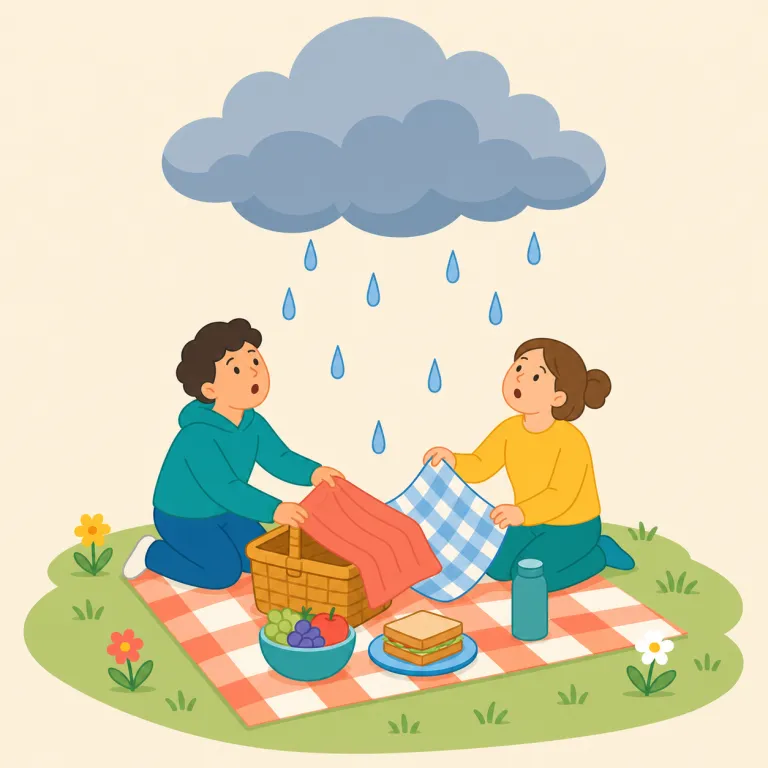
起る
解説 Definition
ある出来事が発生すること。どのようにして起こったかを尋ねる場面で使われる。
To come about means to happen or develop, often as the result of a situation or a series of events. It is commonly used when talking about how something started or became real.
覚え方のコツ Memory Tip
`come` は「来る」だけでなく `come true` `come alive` のように「そういう状態になる・現れる」の感覚でも使えます。その延長で `come about` は「物事がそういう形で現れる」→「起こる」と押さえると覚えやすいです。特に `How did it come about?` は頻出で、「それはどうして起こったの?」と経緯をたずねる定番表現。似た意味の `happen` よりやや説明調。さらに `bring about` は「引き起こす」なので、`come about` は自然に起こる側、と対比で覚えると混同しにくいです。
Think of `come` in phrases like `come true` or `come alive`, where something appears or becomes real. So `come about` is when a situation comes into existence. A common pattern is `How did it come about?` Compare it with `bring about`, which means to cause something, not just let it happen.
例文
How did this misunderstanding come about in the first place?
そもそもこの誤解はどうやって生じたのか。
The discovery came about by accident during a routine experiment.
その発見は通常の実験中に偶然生まれた。
Major social changes often come about gradually over decades.
大きな社会変革はしばしば数十年かけて徐々に起こるものだ。
come about の類義語・関連語
come about の語源・成り立ち Etymology
come about は古英語 cuman「来る」と、about(古英語 abutan「周囲に」)の句動詞です。もとは船がぐるりと向きを変える意で、そこから事態が回り回って生じる、つまり「起こる」と分かります。関連語は become, outcome。
This phrasal verb joins Old English `come` from `cuman` with `about`, from Old English `abutan`, meaning "around." It first had a physical sense in sailing, where a ship turned around. From that idea of turning around and reaching a new state, it developed the meaning of something happening. Related words include `become` and `outcome`.
同じレベルの英単語をもっと
外部辞書で調べる
この単語を英単語クイズで覚えよう