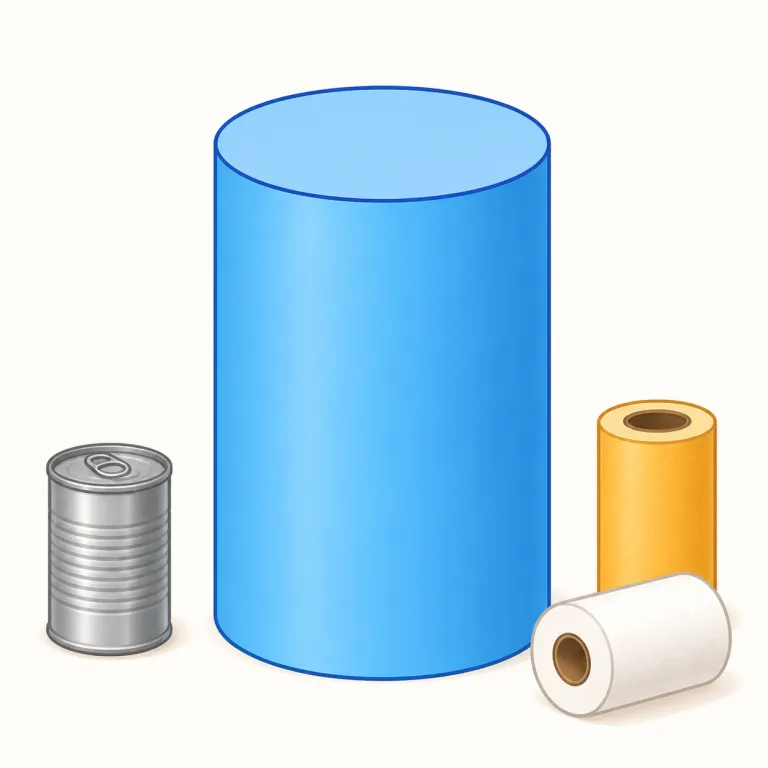
cylinder
cylinder はTOEFL 60・IELTS 5.5レベルの英単語で、「円筒、円柱、シリンダー」という意味があります。発音記号は /ˈsɪlɪndɚ/ です。
円筒、円柱、シリンダー
解説 Definition
上下が円形で側面がまっすぐ続く円筒形の物体や空間を指す語。数学では円柱という立体を表し、工学ではエンジン内部でピストンが動く筒状の部品や、液体・気体を入れる円筒形容器にも使われる。
A cylinder is a round solid shape with two flat circular ends and straight sides. It is also used for objects or machine parts with this shape, such as pipes, tanks, or engine parts. The word is common in math, science, and engineering.
覚え方のコツ Memory Tip
cyl- を circle や cyclic の「丸い」イメージと結びつけると覚えやすいです。核になるのは「円い断面が、そのまま同じ太さで奥へ伸びた形」。ball のような球ではなく、tube や pipe よりも“形そのもの”を言う感じで、数学の円柱にも機械の部品にも使えます。engine cylinder, gas cylinder のような頻出表現で押さえると定着しやすく、cone のように先細りしない点も一緒に覚えると混同しません。
Connect "cylinder" with round shapes like "circle" or "cyclic." Picture a shape with a round end that keeps the same width all the way through. Remember common phrases like "gas cylinder" and "engine cylinder," and contrast it with a cone, which gets narrower.
例文
The engine uses four cylinders to generate power.
そのエンジンは4つのシリンダーで動力を生み出す。
We keep water in a large metal cylinder.
私たちは大きな金属製の円筒容器に水を入れておきます。
The diagram shows a cylinder with a height of 10 centimeters.
その図には高さ10センチの円柱が描かれている。
cylinder の類義語・関連語
cylinder の語源・成り立ち Etymology
ギリシャ語 kylindros(κύλινδρος)「転がるもの」が起源で、動詞 kylindein「転がす」から派生。ラテン語 cylindrus を経て英語に入った。関連語に cycle(円・循環)がある。丸くて転がる形状がそのまま「円筒」を指すようになった。
"Cylinder" comes from Greek "kylindros," meaning something that rolls, from the verb "kylindein," to roll. It passed through Latin "cylindrus" before entering English. Because a round tube can roll easily, the word came to name that shape. It is loosely related to "cycle," which also comes from a root connected with circular movement.
同じレベルの語彙をもっと
TOEFL 60の一覧へ →外部辞書で調べる
この英単語をクイズで覚えよう