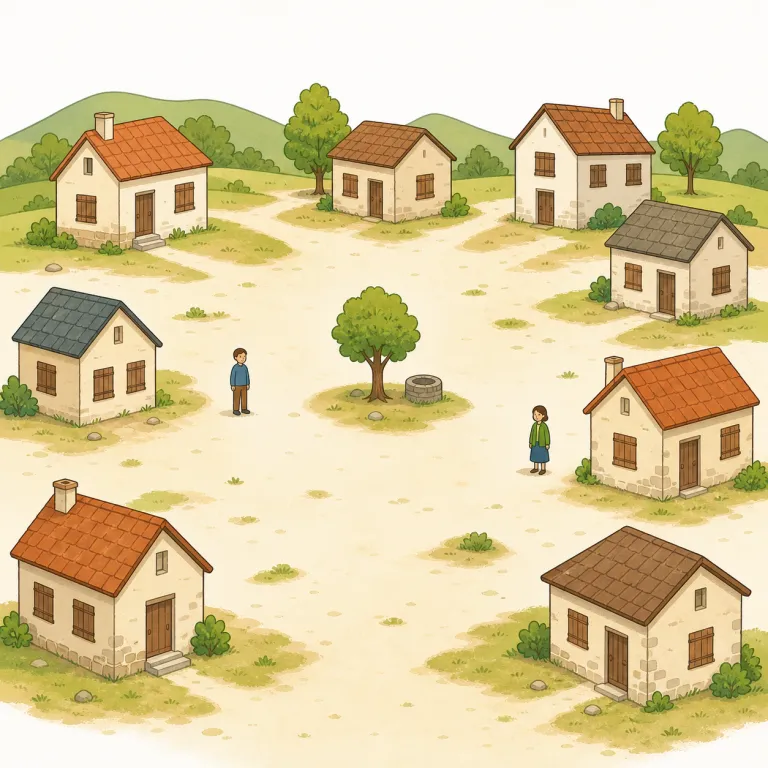
過疎化
解説 Definition
ある地域の人口が減少すること。過疎化。
Depopulation is the process in which the number of people living in a place becomes smaller over time. It is often used for towns, villages, or regions where many people move away or where fewer children are born. The word is common in discussions about rural areas, aging societies, and local economies.
覚え方のコツ Memory Tip
depopulation は population「人口」が見えていれば覚えやすい語です。先頭の de- は decrease や decline のように「下がる・減る」方向を連想すると、ある地域の人口が減っていく状態だとつながります。populate「人が住む・人を住まわせる」とも同系統。urbanization の逆側にある現象として、rural depopulation, depopulation of villages のように地域名と結びつけて覚えると定着しやすいです。depopulation は現象名、decrease in population は説明的な言い換えです。
See `de-` as "down" or "away" and `population` as the people in a place. So `depopulation` is not just fewer people on paper, but people draining away from a town or village. It often appears with `rural`, `villages`, or `remote areas`, so connect it with local communities becoming thinner and weaker.
例文
Depopulation of rural villages has become a serious issue in many developed countries.
農村の過疎化は、多くの先進国で深刻な問題となっている。
The government introduced financial incentives to combat the depopulation of remote mountain areas.
政府は山間部の過疎化に対抗するため、経済的インセンティブを導入した。
War and famine were the primary causes of depopulation in the region during the 18th century.
18世紀のその地域における人口減少の主な原因は、戦争と飢饉であった。
depopulation の類義語・関連語
depopulation の語源・成り立ち Etymology
depopulation は Latin depopulatio に由来し、de-「取り去る」+ populus「人々」を土台にもつ語です。もとは「住民を取り去る」感覚で、そこから人が減って地域の人口が少なくなる「過疎化」を表すようになりました。popular や populace も同じ populus 系です。
"Depopulation" comes from Latin depopulatio, built from de- meaning "away, down, or removal" and populus meaning "people." It first referred to driving people away and laying land waste. Later the meaning became broader and more neutral, referring to a decline in population; related English words include populace and popular.
同じレベルの英単語をもっと
外部辞書で調べる
この単語を英単語クイズで覚えよう