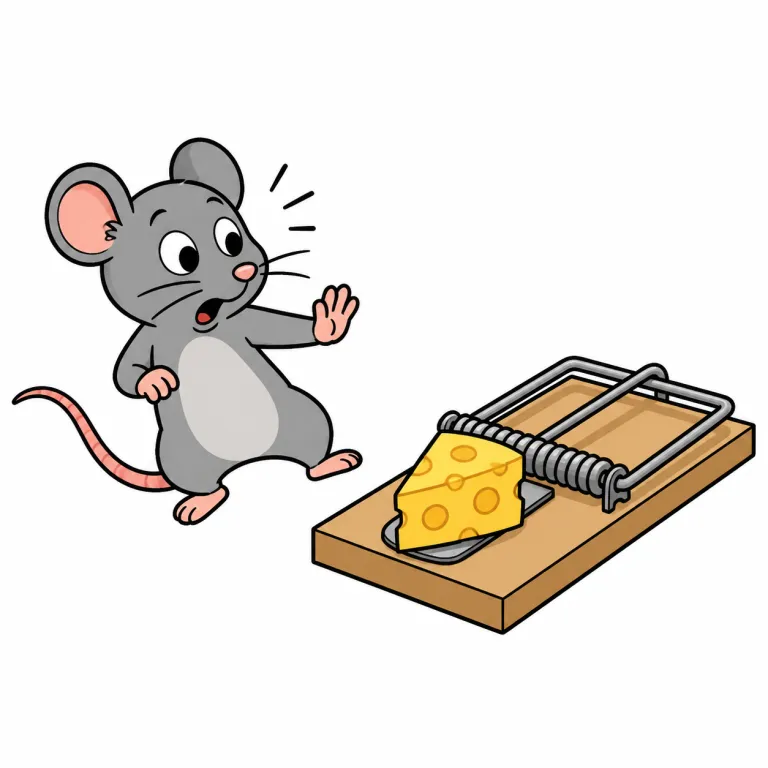
抑止要因
解説 Definition
ある行動を思いとどまらせるような要因や条件。やる気を削ぐもの。
A disincentive is something that makes a person less willing to do something. It reduces motivation by making an action seem less rewarding, more difficult, or more costly. This word is often used in business, economics, and public policy.
覚え方のコツ Memory Tip
まず incentive を確実に軸に置くと覚えやすい語です。incentive は「やる気を出させるもの、誘因」。そこに否定・逆方向を表す dis- が付いて、「やる気をなくさせるもの」へ反転すると考えると意味が取りやすくなります。政策・制度の文脈で tax disincentives のように「その行動を控えさせる条件」でよく出ます。deterrent が外から強く止める響きなのに対し、disincentive は『得がないのでやる気が下がる』という発想で整理すると混同しにくいです。
Start from incentive, a common word for something that motivates action. Add dis-, which often gives a negative or opposite feeling, and the word turns into something that reduces motivation. Think of policy phrases like tax disincentives: not a hard stop, but a reason people feel less willing to do something.
例文
High taxes on sugary drinks serve as a disincentive for unhealthy consumption.
砂糖入り飲料への高い税金は、健康に悪い飲料の消費を抑える要因となる。
The heavy fines act as a disincentive against illegal parking in the city center.
高額の罰金は、都心での違法駐車に対する抑止要因となっている。
Long commute times can be a significant disincentive for potential job applicants.
通勤時間の長さは、求職者にとって大きな抑止要因になりうる。
disincentive の類義語・関連語
disincentive の語源・成り立ち Etymology
dis-「反対・取り去る」+ incentive から成る語。incentive は後期ラテン語 incentivum、さらに in-「中へ」+ canere「歌う」にさかのぼり、人をその気にさせるものが、dis- によって「やる気をそぐ要因」になった。関連語は incentive。
Disincentive combines dis-, meaning reversal or removal, with incentive. Incentive comes from Late Latin incentivum, from a verb meaning "to set the tune" or "stir up," from canere, "to sing." A related word is incentive. So a disincentive is, in origin, something that removes or works against what would encourage action.
同じレベルの語彙をもっと
外部辞書で調べる
この英単語をクイズで覚えよう