死ぬ
解説 Definition
dying は die(死ぬ)の現在分詞で、形容詞としては死にかけている、消えかけているという意味です。人や動物が命を失いかけている状態のほか、火や音などが弱まって終わりに近い様子にも使われます。
Dying describes a person, animal, or plant that is approaching death, or something such as a fire, sound, or tradition that is gradually fading and nearing its end. It is the present participle of die used adjectivally.
覚え方のコツ Memory Tip
dying は原形 die「死ぬ」の現在分詞・形容詞形です。die は語末の ie を y に変えて -ing を付け、dying となります(発音は /ˈdaɪɪŋ/)。dieing とは書きません。a dying bird「死にかけの鳥」、a dying plant「枯れかけの植物」、dying fire「消えかけの火」のように、生命や勢いが終わりへ向かう途中の状態を表します。
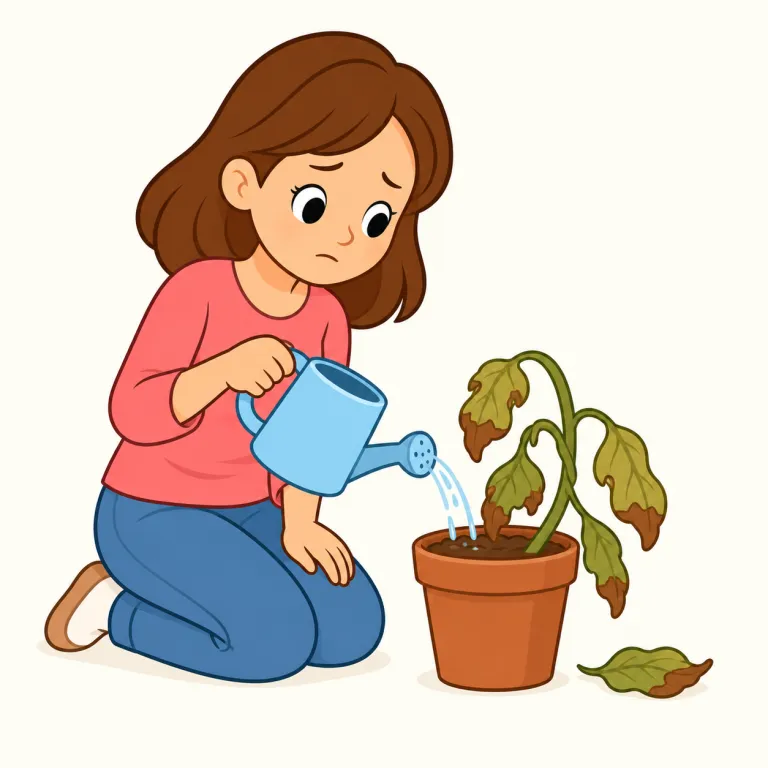
Dying comes from die, but its spelling changes before -ing: replace the final ie with y, then add -ing, producing dying, not dieing. The pronunciation keeps the “die” sound followed by the -ing syllable. Picture a dying bird that can no longer fly, a dying plant that needs water, or a dying fire whose light is fading. In every case, the subject has not completely ended yet; it is in the process of losing life, strength, or activity. Contrast dying with dead: dying describes the approach to death or disappearance, while dead describes the completed state.
例文
The dying bird could not fly.
その死にかけている鳥は飛べませんでした。
She gave water to the dying plant.
彼女は枯れかけている植物に水をやりました。
The doctor stayed with the dying man.
医師は死にかけている男性のそばにいました。
dying の類義語・関連語
dying の語源・成り立ち Etymology
古英語 dēagan / 古ノルド語 deyja(死ぬ)にゲルマン祖語 *dawjaną が起源。印欧祖語 *dhew-(消える、意識を失う)に遡り、命が「消えゆく」イメージが核にある。関連語:dead(死んだ)、death(死)。
Dying is the present participle of die, formed by changing final ie to y before adding -ing. The verb die entered Middle English largely through Old Norse deyja, a Germanic verb, replacing or combining with earlier native expressions for death. Its historical core is the loss of life, and English later extended that image to things that fade or cease, such as fires, sounds, customs, and industries. The related native nouns and adjectives include death and dead.
同じレベルの語彙をもっと
外部辞書で調べる
この英単語をクイズで覚えよう