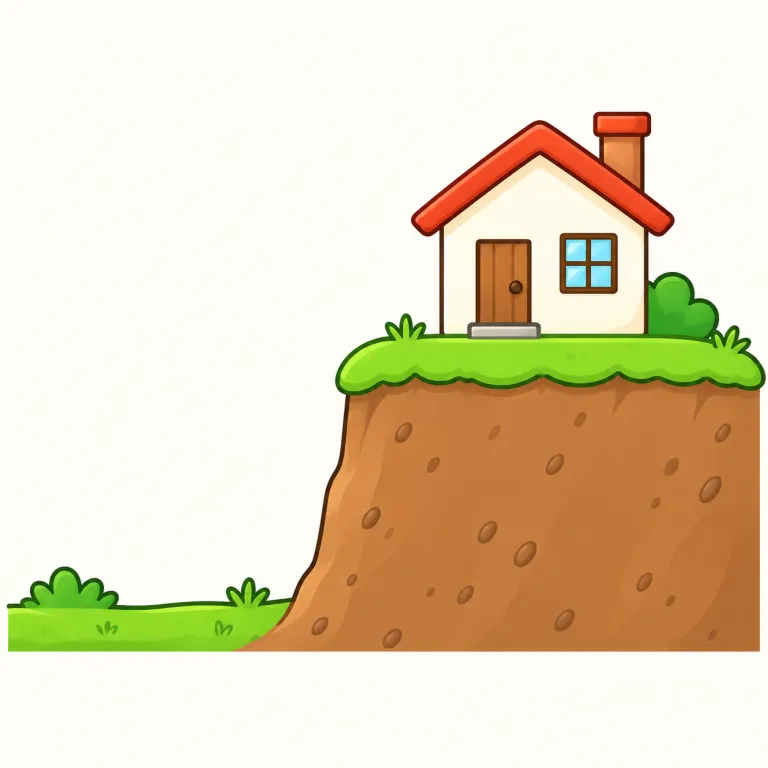
高い
解説 Definition
elevated は elevate(高く上げる)の過去形・過去分詞です。形容詞としては、高い位置にある、高く上げられたという意味で使われます。
Elevated is the past-participle form of elevate, used adjectivally to describe something raised or situated above the surrounding level. It commonly modifies physical places or structures, including elevated ground, paths, roads, and platforms.
覚え方のコツ Memory Tip
elevated は elevate「高く上げる」に -ed を付けた過去分詞・形容詞です。elevator が人を上へ運ぶ場面と結び付け、elevated ground、elevated path、elevated platform を「周囲より高い位置」とまとめて覚えます。原形末尾が /t/ なので -ed は /ɪd/ と発音します。
Link elevated with elevator: both contain the idea of lifting or being above a lower level. Elevated is formed from elevate plus -ed, and because elevate ends in the /t/ sound, the ending is pronounced /ɪd/. Imagine a house on elevated ground, a path raised above the land, and a platform built above street level. In these examples, elevated does not simply mean “high” in a general sense; it means raised or positioned higher than the area around it.
例文
The house stands on elevated ground.
その家は高い土地に建っています。
We walked along an elevated path.
私たちは高い位置にある道を歩きました。
The station has an elevated platform.
その駅には高い位置にあるホームがあります。
elevated の類義語・関連語
類義語
対義語
紛らわしい語
elevated の語源・成り立ち Etymology
ラテン語 elevare(持ち上げる)に由来し、e-(外へ・上へ)+ levare(軽くする・持ち上げる)に分解できる。「軽くして上に持ち上げる」が原義。関連語: elevator(エレベーター)、lever(てこ)。物理的な高さだけでなく、地位や気分が「高められた」という抽象的用法にも広がった。
Elevate comes from Latin elevare, “to raise or lift up.” That verb combines e-, conveying movement out or upward, with levare, “to make light” or “to raise,” from levis, “light in weight.” Elevated is the English past participle and adjective formed with -ed. Its physical sense of being raised later supported abstract uses involving higher rank, mood, style, or measurement.
同じレベルの語彙をもっと
外部辞書で調べる
この英単語をクイズで覚えよう